
A groundbreaking development from Washington University School of Medicine in St. Louis promises to revolutionize the diagnosis of neurodegenerative diseases, offering unprecedented clarity for patients and clinicians. Researchers have developed an artificial intelligence-based blood test capable of accurately distinguishing between major forms of dementia, including Alzheimer’s disease, Parkinson’s disease, frontotemporal dementia, and dementia with Lewy bodies. This innovation addresses a long-standing challenge in neurology: the difficulty in accurately diagnosing these complex conditions, particularly when they co-occur.
For many individuals living with dementia, receiving a precise diagnosis remains elusive. The clinical symptoms of various neurodegenerative disorders can overlap significantly, making differentiation challenging even for experienced specialists. Furthermore, it is common for patients to present with multiple underlying pathologies simultaneously, a complexity that traditional diagnostic tools are not equipped to handle effectively. This diagnostic ambiguity often complicates treatment decisions and hinders the development of personalized care plans.
Overcoming Diagnostic Ambiguity with AI
The new AI classifier, detailed in the journal Alzheimer’s & Dementia, represents a significant leap forward. It boasts over 90% accuracy in separating these distinct diseases from each other and from typical cognitive changes associated with healthy aging. Crucially, the tool can also identify instances where a patient has more than one neurodegenerative process occurring concurrently. This capability is vital for precision diagnosis, as senior author Carlos Cruchaga, PhD, the Barbara Burton and Reuben M. Morriss III Professor in the Department of Psychiatry at WashU Medicine, explains.
“Right now, many patients get labeled with a single diagnosis of, say, Alzheimer’s or Parkinson’s, but in reality their brains often show a mixture of disease injuries. Current tools simply weren’t designed to capture that,” said Dr. Cruchaga. “Our goal was to build a test that doesn’t just say ‘yes’ or ‘no’ to one disease but instead gives an indication of all the major neurodegenerative diseases happening in that person. That’s what you really need for precision diagnosis and, ultimately, precision treatment.”
How the AI Blood Test Works
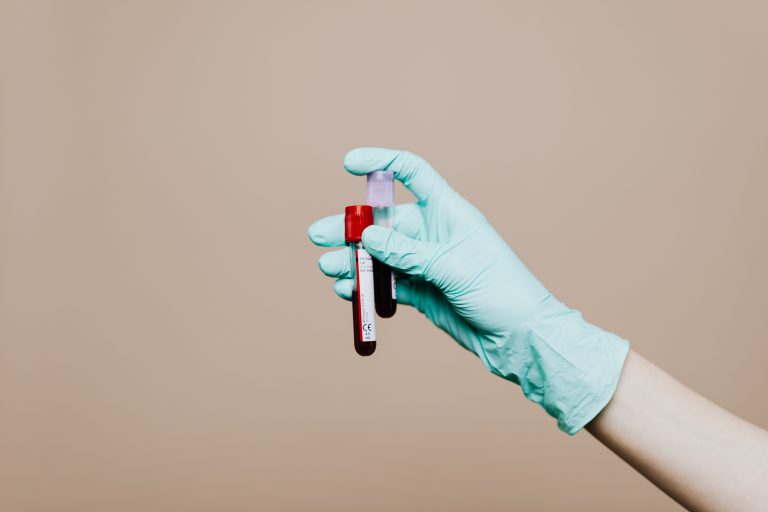
The development of this diagnostic tool involved a meticulous selection of 15 specific proteins found in the blood. These proteins serve as biomarkers, reflecting various neurodegenerative pathologies within the brain. The panel includes well-established markers for Alzheimer’s disease, alongside proteins indicative of synapse and nerve damage, and inflammation. By analyzing the intricate patterns and levels of these proteins, the AI classifier can infer the presence and combination of different neurodegenerative conditions.
Dr. Cruchaga’s team, from WashU Medicine’s NeuroGenomics and Informatics Center, trained and rigorously tested the AI classifier using blood protein data collected from more than 3,200 individuals. This extensive dataset allowed the AI to learn the subtle distinctions between disease profiles, enabling its high level of accuracy and its ability to detect mixed pathologies. The noninvasive nature of a simple blood draw, combined with the test’s relatively low cost, positions it as an accessible and practical solution for widespread implementation.
Implications for Clinical Operations and Patient Access
The implications of this AI-powered diagnostic are far-reaching. For clinical operations, it could streamline the diagnostic pathway, reducing the need for more invasive or expensive procedures that often yield less conclusive results. Early and accurate diagnosis is critical for effective disease management, allowing interventions to begin sooner when they are most likely to have an impact. This also opens avenues for more targeted clinical trials and drug development, as patient populations can be more precisely defined.
Moreover, improved diagnostic clarity directly impacts patient access to appropriate care. When a patient receives a definitive diagnosis, healthcare providers can tailor treatment plans, offer specific support services, and provide clearer prognoses. This precision also extends to monitoring disease progression and evaluating the effectiveness of therapies over time. The integration of AI in preventive care and diagnostics is rapidly transforming how physicians identify health risks and manage complex conditions. Just as new technologies like virtual reality in healthcare are finding innovative uses, AI is pushing the boundaries of what’s possible in medical diagnosis. Physicians also constantly address the challenges of conditions like high blood pressure, underscoring the ongoing need for accurate and timely diagnoses across all medical fields.
The challenges of diagnosing neurodegenerative diseases have long been a barrier to effective treatment. Current estimates suggest that a significant percentage of dementia cases are misdiagnosed or remain undiagnosed, contributing to delayed care and increased patient burden. This new blood test offers a pathway to overcome these hurdles, providing a window into the brain’s complex pathologies through a simple, accessible method. For further information on the broader challenges in dementia diagnosis, see reports from the World Health Organization on dementia.
The Future of Neurodegenerative Disease Management
This advancement underscores the growing role of digital health and AI in medical diagnostics. As AI models become more sophisticated and integrate with broader datasets, their capacity to decipher complex biological signals will only expand. The ability to differentiate various neurodegenerative diseases and identify co-existing conditions with high accuracy from a simple blood test marks a pivotal moment in the fight against dementia. It moves the field closer to an era of truly personalized medicine, where treatment is precisely aligned with a patient’s unique biological profile. For more on the broader impact of AI in medicine, a growing body of research highlights its transformative potential.
The potential for this technology to improve patient outcomes, reduce diagnostic uncertainty, and accelerate therapeutic development is immense. It highlights how medical technology, driven by AI, can address some of healthcare’s most persistent and devastating challenges. Researchers continue to explore new biomarkers and refine AI algorithms to further enhance diagnostic capabilities and monitor disease progression, paving the way for more effective interventions and improved quality of life for those affected by neurodegenerative disorders. For insights into biomarker research, resources like the National Institute on Aging provide valuable information.
The development of this AI-powered blood test aligns with the broader trend of leveraging advanced technology to gain deeper insights into human health. While further validation and regulatory processes are necessary, the promise of this tool for transforming dementia diagnosis and management is clear, offering hope for millions worldwide.