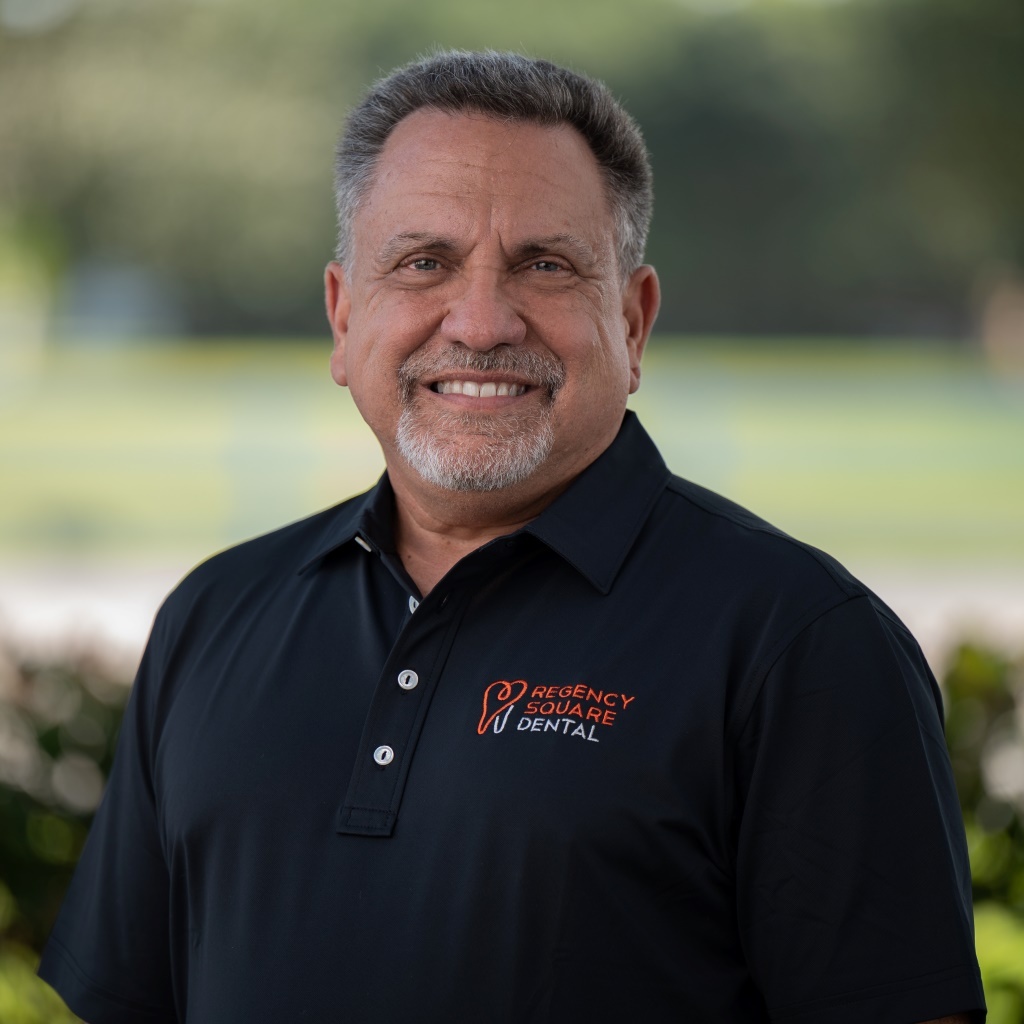


A family medicine physician on why the most common condition he treats is also the one patients most often underestimate, and what real control takes.
A patient walks into Dr. Nikolas Antoniou’s office for a routine physical, feeling fine. No headaches, no chest pain, no dizziness. The cuff goes on, the numbers come back high, and the patient is genuinely surprised. Some are skeptical. A few suspect that the reading must be wrong, because nothing hurts.
Dr. Antoniou, who has practiced family medicine in the Chicago area for three decades, has had a version of this conversation thousands of times. High blood pressure is the most common chronic condition he manages. It is also, he says, the one patients are quickest to dismiss, precisely because it so rarely makes them feel sick.
“Hypertension does its damage silently,” Dr. Antoniou said. “By the time a patient feels something, the disease has usually been working on the heart, the kidneys, and the blood vessels for years. My job is to treat a problem the patient cannot feel, and to convince them it is worth treating now.”
Why “The Silent Killer” Earned the Name
Nearly half of American adults have high blood pressure under current guidelines, and a large share do not know it or do not have it under control. In 2017, the American College of Cardiology and the American Heart Association lowered the threshold for diagnosis to 130 over 80, which brought millions more people into the conversation. The change was not arbitrary. The evidence showed that damage begins earlier than the old cutoffs suggested.
The reason hypertension is dangerous is mechanical. Blood pushing against artery walls with too much force, year after year, stiffens vessels and forces the heart to work harder than it should. Over time, that pressure raises the risk of stroke, heart attack, heart failure, kidney disease, and vision loss. None of it announces itself. A patient can have a stroke as the first symptom of a condition that was measurable and treatable for a decade.
The Number You Take at Home Matters More Than the One in the Office
Dr. Antoniou is a strong advocate for home monitoring. A single reading in a clinic, taken after a patient rushed through traffic and sat in a waiting room, is a snapshot under stress. Some patients run high in the office and normal everywhere else, a pattern known as white coat hypertension. Others look fine in the office and run high the rest of the day, which is more dangerous because it hides.
He asks many patients to buy a validated upper arm cuff and take readings at consistent times, morning and evening, for a couple of weeks. “A log of readings from a patient’s own living room tells me far more than one number on an afternoon,” he said. “It also pulls the patient into their own care. When people see their own trends, they start to understand the condition instead of just hearing about it.”
Lifestyle Is Treatment, Not a Consolation Prize
When the diagnosis lands, Dr. Antoniou says the first conversation is rarely about pills. It is about the changes that move blood pressure on their own, and that make medication work better if it becomes necessary.
The list is familiar, which he believes is part of the problem. Patients have heard it so often that they tune it out. Reducing sodium, especially the hidden sodium in processed and restaurant food, can produce a meaningful drop on its own. The DASH eating pattern, rich in vegetables, fruit, and potassium, was designed specifically to lower blood pressure and has the research to back it. Losing even a modest amount of weight helps. Regular aerobic activity helps. So does moderating alcohol and optimizing sleep, two factors patients often leave out of the equation entirely.
“None of this is exotic,” Dr. Antoniou said. “That is exactly why it gets ignored. But these changes are not the warmup before real treatment. They are the treatment, and for some patients they are enough.”
When Medication Enters the Picture
For many patients, lifestyle changes are not enough, and Dr. Antoniou is clear that this is not a personal failure. Genetics, age, and other conditions all play a role. When medication is warranted, the modern toolkit is deep and well understood, including thiazide diuretics, ACE inhibitors, ARBs, and calcium channel blockers, often used in low-dose combinations rather than one drug pushed to its limit.
The harder part, he says, is not choosing the drug. It is keeping patients on it. Because hypertension causes no symptoms, patients frequently stop taking medication once their numbers normalize, assuming the problem is solved. The numbers then climb back. “I tell patients that controlled blood pressure means the medication is working, not that the condition is gone,” he said. “Stopping because you feel fine is like removing a cast the day the pain stops. The healing is not finished.”
The Case for a Doctor Who Knows You
Hypertension rarely travels alone. It clusters with diabetes, high cholesterol, kidney issues, and weight, and the right plan depends on the whole picture rather than one isolated number. This is where Dr. Antoniou believes primary care does its most valuable work. A physician who has followed a patient for years can see how the conditions interact, adjust accordingly, and catch the early signs that something has shifted.
His advice to patients is unglamorous and consistent. Know your numbers. Take them at home. Make the changes that are within reach. Stay on treatment even when you feel perfectly well. And keep showing up, because the value of monitoring a silent condition compounds over time.
“The patients who do best with blood pressure are not the ones who panic at the diagnosis,” Dr. Antoniou said. “They are the ones who treat it like the long, manageable project it is. Quiet conditions reward consistency. That is the whole game.”