
Personalized healthcare is transforming patient outcomes through technology that connects people with the right care at the right time. This article examines real-world breakthroughs in digital health, from dermatology and chronic disease management to mental health and dental care. Industry experts share how innovations in remote monitoring, smart patient matching, and visual diagnostics are making treatment more precise and accessible than ever before.
- Home Trends Drove Targeted Hypertension and Diabetes Care
- Direct Cell Access Transformed Travel Medicine Guidance
- Asynchronous Photos Enabled Contextualized Dermatology Decisions
- Text Prompts Delivered Rapid OCD Support Between Visits
- 3D Maps Avoided Extractions Boosted Confidence
- Smarter Intake Matched Clients With Ideal Clinicians
- Imaging Clarified Options for Complex Dental Choices
Home Trends Drove Targeted Hypertension and Diabetes Care
One experience that stands out involved a patient with both hypertension and type 2 diabetes who was struggling to keep their conditions under control despite regular office visits.
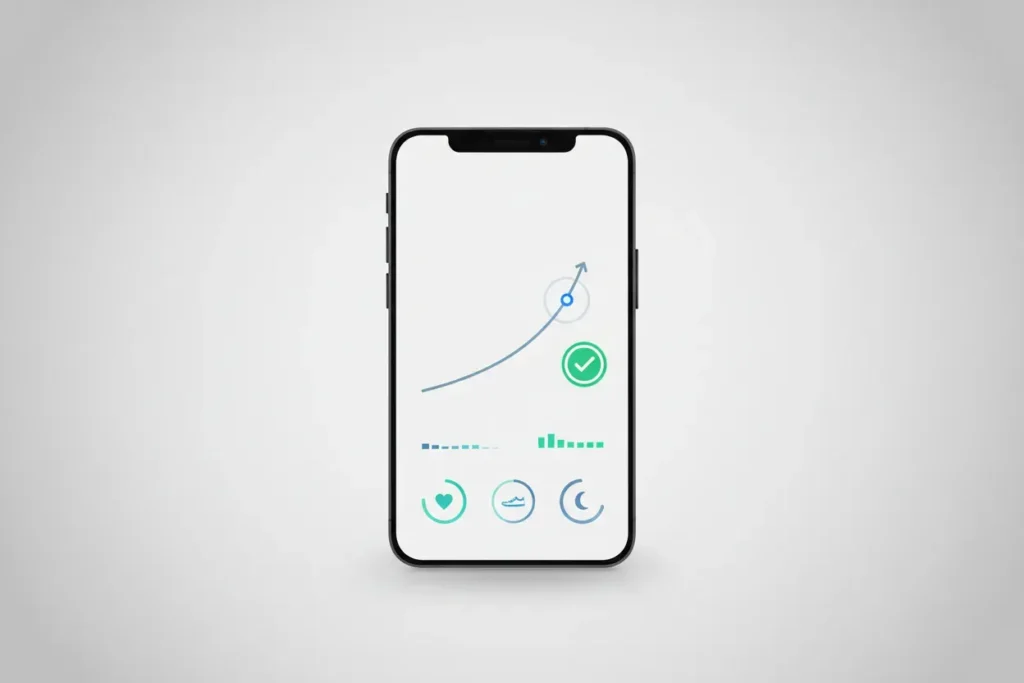
We introduced a combination of remote blood pressure monitoring and a patient portal that allowed them to upload readings from home and communicate with our care team between appointments. Instead of relying solely on measurements taken during clinic visits, we were able to see trends over time and identify patterns that were affecting their health.
The data revealed that their blood pressure was consistently elevated in the evenings. After discussing their routine, we discovered that work-related stress and inconsistent medication timing were contributing factors. Using that information, we adjusted their treatment plan, provided lifestyle recommendations, and scheduled more targeted follow-ups.
Because we had access to real-time information, we were able to personalize care in a way that would have been difficult through traditional visits alone. Within a few months, both their blood pressure and blood sugar levels showed significant improvement.
The patient’s response was overwhelmingly positive. They appreciated feeling more involved in their own care and liked knowing that their healthcare team could monitor progress between appointments. They also reported feeling more confident managing their conditions because they could see how daily habits affected their health.
Digital health tools don’t replace the patient-provider relationship, but they can strengthen it by providing better insights, more timely interventions, and a more personalized approach to care.

Direct Cell Access Transformed Travel Medicine Guidance
At The Family Doctor in Tucson, the most powerful “digital health tool” we lean on is something deceptively simple: direct access to the doctor’s personal cell number. That single channel changes everything about how personalized our care feels.
Here’s a real-world example of the dynamic it creates. A patient preparing for international travel needed guidance on vaccinations and medications fast, the kind of thing that usually means a clinic visit, a referral, and a week of phone tag. Instead, they texted directly. We could walk through their itinerary, flag the travel medicine they needed, and coordinate wholesale-priced labs and prescriptions without a single insurance hurdle in the way. The response we hear most often in moments like that is relief. People are genuinely surprised that healthcare can move at the speed of their actual life.
That’s the heart of our model. Because we run as a Direct Primary Care practice on a flat monthly membership, we’re not billing insurance or rushing visits. That frees us up for 20-to-60-minute appointments, same or next-day scheduling, and even house calls. Digital access just amplifies all of it, a quick message can settle a worry before it becomes an ER trip, or confirm whether a symptom warrants coming in.
What I’d tell any clinic thinking about this: technology only personalizes care when it removes friction, not when it adds another portal nobody logs into. We built trust by making communication clear and direct, you reach your actual doctor, not a phone tree. And being able to say “Se habla español” over that same direct line means more families feel genuinely heard.
The patient response, again and again, comes down to one thing: they feel known. When someone realizes their physician remembers their history, answers their text, and isn’t watching a clock, that’s personalized care, and the tools simply make it possible.

Asynchronous Photos Enabled Contextualized Dermatology Decisions
The clearest example in my practice is asynchronous teledermatology for established patients who cannot get to the office. A photo through a secure portal, combined with the patient’s existing chart and history, lets me triage what would otherwise require either a missed visit or an unnecessary trip. For a patient with recurrent rosacea who recognizes her own flare pattern, a portal photo plus a one-line history gets her a prescription adjustment within a business day instead of a week-out appointment.
The personalization comes from the chart context. The same photo from a new patient would not be enough. From an established patient I know, the photo is a data point I can read against the baseline I already have. The same image gets a different response depending on what I know about that individual’s pigmentation, history, and prior response to treatments.
Patient response has been consistently positive, especially among working parents and patients with mobility limitations. The visits they keep are the ones they actually need. The complaint I hear most is that the system works so well for established patients that they wish it worked for new-patient first visits. Those still require an in-person look to establish the baseline that the asynchronous system later draws on.
Text Prompts Delivered Rapid OCD Support Between Visits
Telemedicine has helped us communicate differently. Since I’ve been able to use the same telemedicine platforms everyone uses (Zoom and WhatsApp), I haven’t had to force all patients into my practice’s physical space schedule. It made it easier on both parties.
In my current work in health care technology, as many are using an ever-increasing number of new medical apps and services—most of which are very complicated—I’m finding that basic texting (or messaging), even though we know this isn’t as effective as video or voice calls, is by far the most accessible and most helpful form of communication to those who experience extreme anxiety and/or obsessive-compulsive disorder.
When a person texts about when a compulsion reaches its peak intensity (e.g., “I am experiencing the urge to wash my hands at a 7”), I don’t have to wait until the next scheduled appointment to assist that individual in managing their urges. This also creates a record of the frequency of the individual’s compulsions. Some of these individuals have reported being able to manage their daily compulsions better than others because they were able to send messages about their urges throughout their day.
3D Maps Avoided Extractions Boosted Confidence
I have spent over 30 years as a specialist orthodontist relying on digital tools to shape every treatment plan from the start.
3D scanning and imaging let me map out tooth movements and jaw positions in detail during the initial visit. This shows exactly how treatment will unfold without relying on general estimates.
A patient once came in concerned about potential extractions for crowding. The scans produced a clear visual model of their options right there, allowing adjustments based on their specific concerns about keeping all teeth.
They left the appointment visibly relieved and decided to move forward immediately with a conservative approach they could see would work for their case.
Smarter Intake Matched Clients With Ideal Clinicians
I’ll be upfront that I don’t deliver the care, I build the tools the clinicians use, so my view is from the infrastructure side. The tool that’s done the most for personalization isn’t flashy: it’s our intake and matching system. Before a client ever meets a clinician, we capture what they’re actually dealing with, what they’ve tried, what they need from the relationship, and the time and logistics that usually derail busy professionals. The system pairs them with the clinician best suited to that specific picture rather than whoever has the next open slot.
The response shows up in the part of care people don’t usually see. A good first match means the person doesn’t spend three sessions explaining themselves to someone who isn’t the right fit, then quietly disappearing. We see it in lower rematch requests and in clients staying in care long enough for it to actually work. The personalization happens before the first appointment, in the matching, which is where a lot of digital health tools underinvest because it’s less visible than a slick session interface. Get the match right and the human relationship does the rest. The tech’s job is to set that relationship up well and then get out of the way.
Imaging Clarified Options for Complex Dental Choices
In implant and endodontic cases, digital imaging has helped me personalize care by showing patients exactly what is happening below the surface. A CBCT scan or intraoral image can clarify why a tooth may need root canal retreatment, why an implant site needs more planning, or why one option is more predictable than another.