
Preventive health care is in the process of undergoing radical changes. New automated vision screening technologies are about to revolutionize the detection of visual impairments. And it’s all thanks to modern concepts: 4K display technology, computerized controls, and data integration. The effect of these high-tech devices is that they can detect eye problems early on. Problems that could have developed into serious health problems if they had not been discovered in time by automated vision screening. This not only means that screening has become faster and more efficient, but also that the quality of health care before problems occur is increasing greatly.
The Evolution of Screening Precision and Speed
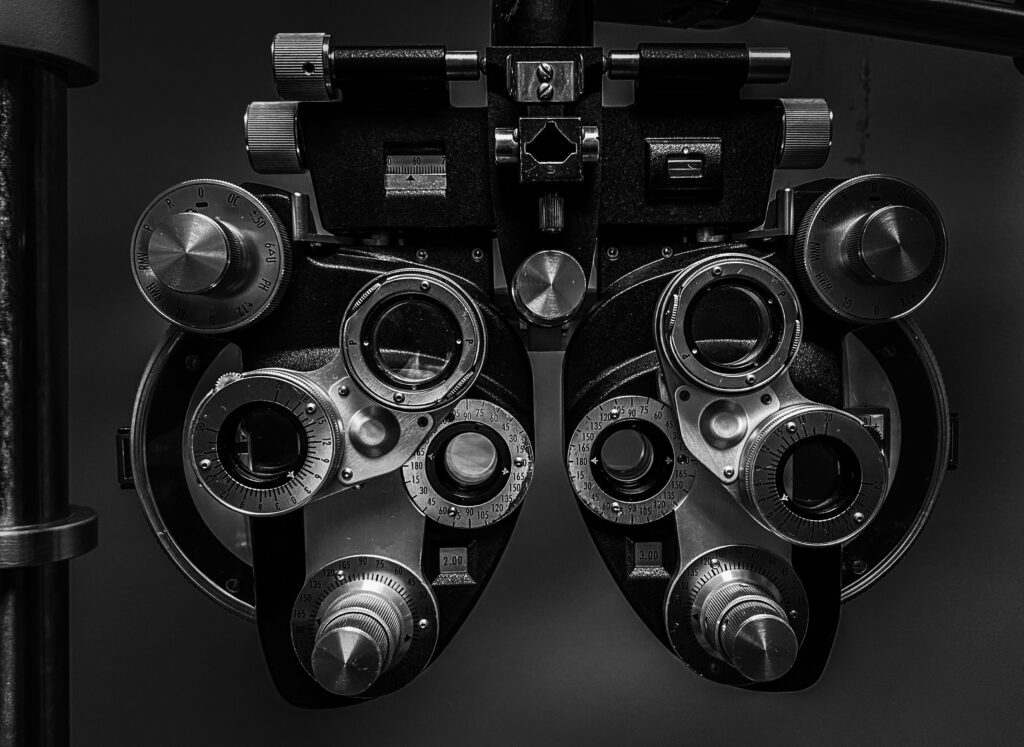
Automated vision screening devices no longer rely on simple wall charts, which can easily be memorized by test takers. Advanced VT1 4K automated vision screening devices use ultra-high-definition 4K displays to create crisp and clear testing images. This superior display technology ensures the most accurate visual acuity measurement by controlling and ensuring that all testing images reflect a test taker’s best visual ability.
Another crucial advantage of automated testing is the standardization of the screening process. Automated systems employ a variety of different tests, including randomized acuity tests that cannot be memorized by test takers. Moreover, a wide array of visual parameters can be tested, including visual acuity, refractive errors (nearsightedness, farsightedness, and astigmatism), color perception, depth perception, and complete visual fields. Importantly, tests are administered and results obtained in under five minutes for children and adults alike. Therefore, high volumes of patients can be processed by healthcare providers without compromising the quality of care.
Streamlining Clinical Workflows with Seamless Data Integration
Automated vision screening has numerous advanced features to track screening results, manage patient information, and provide data for follow-up care. This cutting-edge technology streamlines the screening process for health care providers, who are able to write down a patient’s results and enter them into their file, or have the screening equipment automatically capture results and input them into the patient’s file for follow-up care.
Automated vision screening technology captures all patient responses for the automated testing protocols and scores the results for the user on a pass/fail basis. The results are also instantly exported for the user for a quick data export. Most importantly, automated vision screening systems can easily be connected to the Electronic Health Records (EHR) of a clinic or hospital for one-click settings transfer, for easy and comprehensive documentation for clinicians, and for tracking of patients’ visual acuity over time for early intervention should there be any decline in their vision.
Tailored Screening for Diverse Patient Populations
Automated vision screening technology offers many applications for Preventive Eye Care in a variety of settings, serving a range of patient demographics. Different patient groups have different visual requirements, and varying degrees of cooperation with screening processes are typical of most age groups.
School-Based Pediatric Screening: Developing protocols for screening children of school age has been shown to ensure important early intervention to ensure vision is at its best to aid learning and development. Machines are supplied with programs that include a range of tests using symbols and shapes to test visual acuity. The screening process can be conducted within a school, and tests are completed within a short space of time for each child.
Occupational and DMV Screenings: Automated vision screening for adults serves to ensure that drivers and employees possess adequate visual abilities to perform job-related duties safely. This type of screening evaluates several visual functions including distance visual acuity, visual field, color vision, and glare response. Each of these functions is critical to ensure that the individual can safely operate a motor vehicle or perform work-related tasks. Automated screening helps to ensure that the highest level of visual standards are met for both DMV and Occupational screenings.
General Preventive Medicine: The fully automated and large database of the VT1 4K system enables, in general preventive medicine, early detection of serious eye diseases such as strabismus or restriction of the visual field. The different test modes (binocular and monocular), test distances (14” up to 24 meters), and levels of luminance (simulating day- and night vision) allow for optimal testing of every single patient.
Looking Ahead: The Future of Preventive Eye Care
The future of automated screening includes increasingly advanced artificial intelligence (AI) and imaging systems to automatically detect vision problems in patients of all ages. Because early detection of vision problems is now quick and easy with modern automated screening technology for the eyes, all eye care providers, including optometrists, pediatrics, occupational health, and employee benefit providers, can offer the very best in vision care and protect their patients’ most important asset – their sight.
Automating vision screening will become an important part of public health and improve the quality of care globally. Protecting the sight of individuals around the world is important. An investment in advanced vision screening for identifying visual deficits before they cause problems will improve the quality of care for patients globally.