

A child has a life-threatening infection. A hospital has the treatment available, and a doctor knows what needs to be done. But the family cannot afford the bill, so the child may never receive care.
For Nikita Kuzmin, founder of Helpster Charity, that situation reveals something deeply troubling about access to healthcare. The difference between treatment and a preventable death can sometimes be an amount of money that another person could readily provide.
Kuzmin built Helpster around a straightforward idea: connect donors with patients who need urgent medical treatment, verify the need, and make the outcome visible.
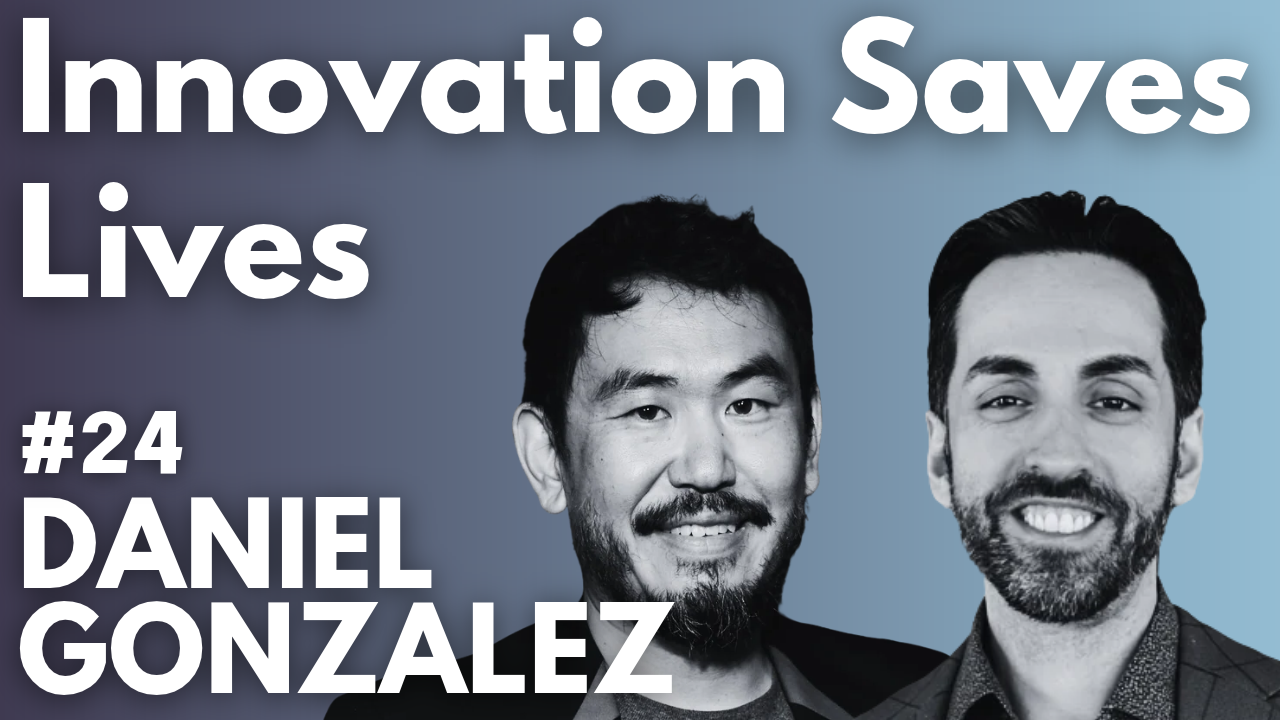
His conversation with Leonard Kim on Innovation Saves Lives explores how that model emerged from a personal frustration with charitable giving.
The Donation That Disappears
Before founding Helpster, Kuzmin tried supporting established charitable organizations. He wanted to understand what his money would accomplish, but often found that question difficult to answer.
Large organizations had substantial budgets, making an individual contribution feel disconnected from any specific outcome. Smaller charities sometimes provided little information about how a donation would be used.
Kuzmin recalls contacting dozens of organizations, including groups working in Southeast Asia, to ask what a contribution might achieve. Many did not respond, while others offered assurances without outlining a concrete result.
He does not suggest that those organizations were misusing donations. His frustration centered on communication and the absence of a clear connection between giving and impact.
As an entrepreneur accustomed to building products around user needs, he began considering whether charitable giving could offer a more direct experience.
A donor could identify a specific need, contribute toward solving it, and receive information about what happened afterward. That would give people a reason to trust the process and potentially contribute again.
A Hospital Bill Can Change Everything
Kuzmin began researching whether patients existed whose lives were in danger primarily because they could not afford treatment.
He found cases in countries including Nigeria, where patients with serious infections, severe malaria, and other urgent medical conditions faced bills they could not pay.
Helpster’s approach is to verify the patient’s identity, diagnosis, and medical bill before directing payment to the hospital.
Kuzmin says the organization found cases where comparatively modest amounts could make a substantial difference. He reports that Helpster’s average cost per life saved is under $300, although individual treatment costs and outcomes vary.
The charity began its work in 2021 and formally launched in 2022. At the time of the interview, Kuzmin reported that Helpster had helped save more than 6,000 lives.
Those figures are the organization’s reported results, but their underlying significance is the model Kuzmin wants to establish. Donors can see individual cases rather than contributing to a general fund without knowing which patients their support reaches.
Transparency Is Part of the Model
Helpster maintains a database of patients seeking assistance. According to Kuzmin, patients or their guardians provide permission for relevant case information to be published so potential donors can understand the need.
That visibility creates a direct connection between someone willing to help and someone seeking medical treatment.
It also raises an important responsibility. Sharing medical circumstances publicly involves sensitive personal information, especially when children are involved, making meaningful consent and careful handling of patient data essential.
Kuzmin’s broader goal is to make charitable accountability a normal expectation. He believes donors should receive clear information about the results of their contributions rather than having to rely exclusively on broad annual reports.
Building Something That Outlives Its Founder
Helpster initially relied heavily on Kuzmin’s own money and contributions from people he knew. Its next challenge is reaching donors with no personal connection to him.
He has set ambitious goals, including reaching 10,000 lives saved and, eventually, one million. These are aspirations rather than established outcomes, but they explain why he is focused on growing public awareness and building a wider community.
Kuzmin grew up with limited money and initially pursued entrepreneurship to gain independence. Over time, he came to believe that financial success carried a responsibility to help others.
He hopes that some of the children Helpster assists today will eventually become adults who can support others through the same organization.
That possibility gives his mission a longer horizon than fundraising targets.
Kuzmin wants Helpster to continue operating beyond his lifetime, with each generation of beneficiaries and donors helping sustain the next.
His motivation ultimately comes down to a conviction expressed near the end of the interview: no child should be too poor to see a doctor. Helpster is his attempt to turn that principle into individual, measurable acts of assistance.
Want more Innovation Saves Lives? Check out the articles or head over to Apple Podcasts.