

AI in Remote Care: Success Stories from Telemedicine Experts
Artificial intelligence is transforming how healthcare providers deliver remote patient care, creating new possibilities for monitoring and treatment. This article explores real-world applications where AI has solved critical challenges in telemedicine, featuring insights from experts who have implemented these solutions firsthand. From improving patient communication to identifying health anomalies early, these success stories demonstrate how technology is reshaping the future of remote healthcare delivery.
- Guide Urology Follow-Ups Through Early Flags
- Expand Access for Nondrivers With Epilepsy
- Spot Anomalies Against Personal Baselines
- Advance Communication Via Auto Summaries
- Pair Models to Fit Workflow
Guide Urology Follow-Ups Through Early Flags
As a urologist, AI has mainly changed how efficiently and safely we approach remote patient monitoring.
How AI has changed my approach
AI-supported telemedicine tools help structure follow-up and triage. Symptom trackers, automated questionnaires, and trend analysis (for LUTS, post-operative recovery, or testosterone therapy follow-up) allow me to identify early warning signs, such as worsening urinary symptoms, infection red flags, or adverse effects, before they become urgent. This lets me focus live consultations on decision-making rather than basic data collection.
I am going to retell one success story using telemedicine.
A good example are the patients on testosterone replacement therapy. I am using telemedicine for follow-up. Through remote monitoring with structured symptom scores and lab trend analysis, I identified an early rise in hematocrit in a patient who felt “clinically fine.” Also, I am checking their PSA. We adjusted the dosing and timing remotely, avoiding unnecessary discontinuation or complications. The patient remained stable, adherent, and highly satisfied, without needing repeated in-person visits.
Overall, AI has made telemedicine more proactive and personalized, while keeping the physician firmly in control of clinical decisions.

Expand Access for Nondrivers With Epilepsy
Remote patient monitoring and telemedicine have significantly improved access to care for patients who face transportation challenges. One notable success has been implementing telemedicine for patients with medically intractable epilepsy who cannot drive safely and struggle with transportation. This approach has provided convenient, accessible care without requiring patients to rely on family members or insurance transit services. The impact on patient quality of life and care continuity has been substantial.

Spot Anomalies Against Personal Baselines
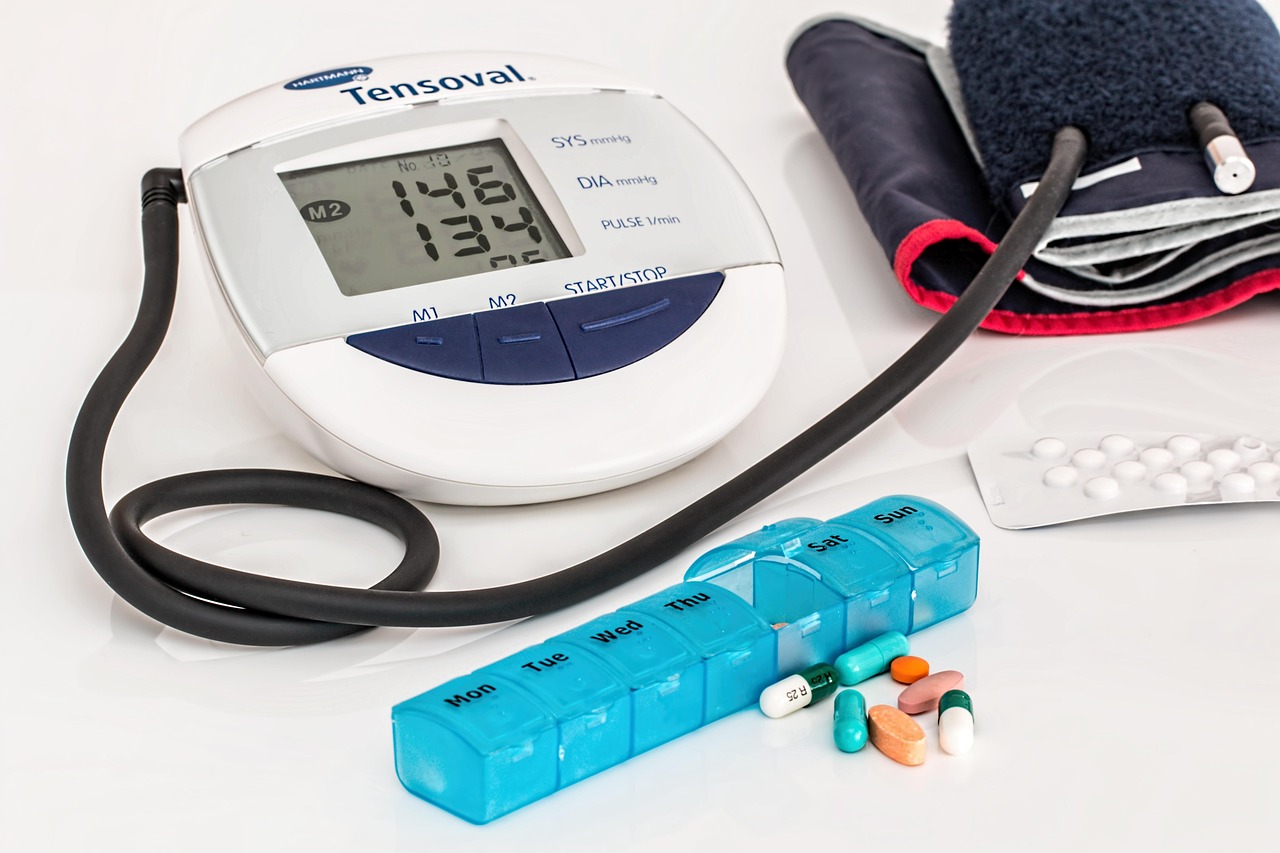
AI shifted the way we handle remote monitoring at HealthRising by giving us a clearer sense of when a patient’s data actually signals concern rather than noise. Before that, numbers came in through wearable devices and home trackers in a steady stream, and the team spent too much time sorting out what needed action. The newer system flags only the patterns that break from a patient’s usual rhythm. That change let us respond with more intention and far less urgency fatigue. One success story stays with me. A patient managing fluctuating blood pressure kept reporting perfect readings during visits, yet her home monitor fed in a pattern of late evening spikes that she never mentioned because she assumed they were normal. The AI flagged the trend after three days, and we reached out before the situation escalated. A small medication adjustment and a shift in her evening routine steadied the numbers within a week. She told us the outreach felt like someone finally saw the version of her day she could not describe. Telemedicine works best when it catches the quiet changes patients live with long before they reach a breaking point, and AI has given us the eyes to do that more reliably.

Advance Communication Via Auto Summaries
AI has significantly enhanced our remote patient monitoring by improving patient communication and engagement through automated, personalized updates. We implemented AI to auto-draft patient-friendly report summaries and send status updates through our patient portal, which transformed how patients interact with their care information. The results were remarkable: patient satisfaction scores increased from 4.1 to 4.6, calls asking for report explanations decreased by 35%, and portal engagement rose by 60%. This success demonstrated that AI can bridge communication gaps in remote care while reducing the burden on clinical staff.

Pair Models to Fit Workflow
AI completely changed how I think about remote patient monitoring because it shifted the model from reactive check-ins to continuous, automated insight. Instead of waiting for patients to report symptoms or abnormalities manually, AI now analyzes real-time data streams from wearables and home devices and flags issues before they escalate.
The biggest improvement came when we built a custom software layer on top of these AI models so clinicians could see risk scores, trends, and alerts in one clean dashboard rather than juggling multiple devices and apps.
One success story involved patients with chronic cardiovascular conditions. Before AI, nurses reviewed data once a day and often missed early warning signs. After integrating an AI-driven monitoring engine into our custom platform, the system detected subtle changes in heart rate variability and oxygen levels and automatically triggered follow-up calls.
In one case, the alert helped catch a patient’s deterioration 48 hours earlier than usual, allowing intervention before hospitalization was needed.
What this really showed us is that AI alone isn’t enough; it becomes transformative when paired with custom-built software that fits a clinic’s workflow and reduces cognitive load for care teams. The combination of real-time analysis and tailored interfaces led to faster decisions, fewer emergency visits, and a more proactive telemedicine experience overall.