

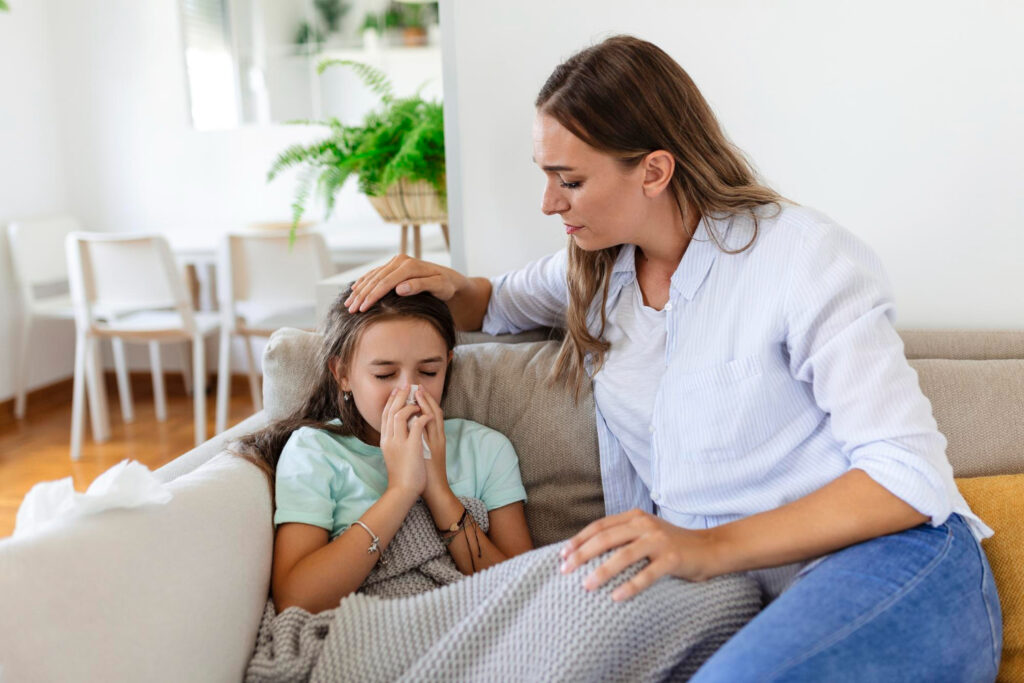
The kid sneezes twice in the morning, and you’re already working out whether to run to the pharmacy for an antibiotic. This is exactly where most North Atlanta parents make their main mistake. Not that the cold showed up. But how they react to it in the first days.
An upper respiratory infection is a catch-all name for a cold, pharyngitis, laryngitis, or viral sinusitis. Sounds a bit scary, but really it’s the thing half the block picks up every winter. The trouble isn’t the illness itself; the body handles that on its own most of the time. The trouble is the panic and the wrong moves that turn a week-long cold into a month-long mess with complications.
First Rule: Most Colds Aren’t Treated With Antibiotics
Let’s start with the thing that saves you from the most common mistake. The vast majority of upper respiratory infections are viral. And antibiotics don’t work on viruses at all. Not one bit. It’s not a matter of dosage or a “stronger” drug; it’s just different biology.
When parents start giving a child an antibiotic on day two “just in case,” they don’t speed up recovery. They make it worse. The antibiotic hits the good bacteria, loads the body, and, most of all, teaches future infections not to fear the drug. Next time, when an antibiotic is actually needed, it may no longer work. This isn’t a scare story; it’s what the CDC and the American College of Physicians warn about: antibiotics for a plain cold aren’t needed and do more harm than good.
An antibiotic is needed only when a bacterium joins the virus. Strep throat, bacterial sinusitis, an ear infection. But that’s the doctor’s call after an exam, not the parent’s from symptoms off the internet. You can’t tell a virus from a bacterium by eye; they disguise themselves as each other.
What Actually Helps in the First Days
If pharmacy drugs aren’t the main thing, then what do you do? Basic home care actually does more for recovery than half of what people buy in a panic. The idea is simple: help the body, don’t get in its way.
Here’s what works for a child and an adult alike:
- Fluids, lots of fluids. Warm water, tea, and broth. Liquid thins the mucus so it drains properly instead of stagnating in the sinuses. It’s the cheapest and most effective remedy there is.
- Humidified air. During the heating season, the air in North Atlanta homes runs dry, and the lining suffers for it. A humidifier, or just a bowl of water by the radiator, makes breathing noticeably easier.
- Saline nasal rinses. Plain saline washes out the virus and mucus, takes down the swelling, and has no chemistry involved. Safe even for small kids.
- Rest. Obvious, and yet adults ignore it the most. The body fights the virus better when you’re lying down, not dragging a workday out on your feet.
- Saltwater gargles. For adults and older kids, they can ease the scratchy throat at the start of the illness.
Notice there’s not a single “magic” drug on this list? Because none exists. Honey for a cough (but not for kids under one), warm fluids, moist air, and rest pull a cold through better than a shelf of pharmacy boxes. A fever reducer makes sense when the temperature is genuinely high, and the child is miserable, not the second the thermometer reads a touch above normal.
Red Flags: When Home Care Has to Stop
Home care works exactly as long as the cold behaves like a cold. There’s a line past which waiting costs you your health, and that line you need to know by heart, especially with kids, who won’t always tell you what’s wrong.
You should go to a doctor if:
- Symptoms don’t ease up for more than ten days, or things got better and then suddenly got worse again.
- Fever holds despite a fever reducer for more than two or three days, or comes back on day five of the illness.
- The child complains of ear pain, tugs at the ear, sleeps badly, and the ear hurts for more than two days.
- Breathing gets difficult, there’s shortness of breath, wheezing, or chest pain.
- The throat hurts so much it’s hard to swallow.
- Thick nasal discharge and facial pressure worsen when leaning forward.
Any point on this list means one thing: time to stop self-treating and see a specialist. This goes double for ear pain in a child and breathing trouble. A dragged-out ear infection can hit hearing, and an untreated bacterial sinusitis slides into a chronic one you then battle for months. For more on how doctors tell apart and manage upper respiratory infections, see the materials from North Fulton ENT.
React With Sense, Not Fright: Protect Your Family’s Health This Fall
The right reaction to a cold isn’t a pharmacy sprint on day one, and it isn’t an antibiotic at random. It’s calm, home care, and attention to the body’s signals. Give the child or yourself rest, plenty of fluids, moist air, and nasal rinses. In most cases, that’s enough for it all to pass on its own within a week, with no aftermath.
But know when to stop in time. If you see a red flag—ear pain, a fever that won’t drop, difficult breathing, or a cold dragging into its second week—don’t play the hero. A seasoned ENT will tell you to differentiate a virus from a bacterium, where you see only the basic symptoms, and will prescribe exactly what’s needed instead of extra drugs. Book a consultation at the first warning sign, before an ordinary cold grows into a complication you could have avoided.
Frequently Asked Questions
From which day of a cold can you give an antibiotic?
From none, not on your own at all. Most colds are viral, and an antibiotic doesn’t touch a virus no matter how many days pass. It’s needed only when a doctor confirms a bacterial cause after an exam, like strep throat or bacterial sinusitis. Giving an antibiotic “just in case” on day two or three doesn’t speed recovery, but it does raise the risk the drug won’t work when you really need it.
How many days does an ordinary cold last, and when is it time to worry?
A typical viral upper respiratory infection passes in seven to ten days. If there’s no relief by day ten, or it got easier and then suddenly worse again, that’s already a reason to see a doctor. Fever beyond two or three days, difficult breathing, and ear pain in a child that doesn’t clear within two days should put you on alert too.
What’s best to give a child in the first days of a cold?
Not drugs, but basic care. Plenty of warm fluids, humidified air, saline nasal rinses, and rest. That thins the mucus, takes down swelling, and helps the body cope on its own. A fever reducer only when the temperature is genuinely high and the child is suffering from it, not the moment the thermometer reads a bit above normal. Honey for a cough is fine for older kids, but not for babies under one.