


Mental reframing can transform how people respond to stress, setbacks, and daily challenges. This article presents twenty practical techniques drawn from insights shared by psychologists, performance coaches, and professionals across multiple fields. Each method offers a concrete way to shift perspective and build stronger mental habits.
- Test Thoughts Against Facts
- Recast Nervousness as Excitement
- Use an External Editor
- Journal Fears Into Next Steps
- Trace Schema Origins
- Apply the Twelve-Month Test
- Ask What Each Behavior Solves
- Separate Events From Stories
- Frame Friction as Early Data
- Mine Reviews for Service Intelligence
- View Rejection Through Audience Fit
- Separate Facts, Fears, and Actions
- Name Each Failure Mode
- Shift From Problem to Purpose
- Align Challenges With Your Why
- Solve Surgical Challenges as Puzzles
- Find Lessons in Setbacks
- Let Overwhelm Set Exercise Pace
- Turn Pressure Into Responsibility
- Follow Rituals During Stress
Test Thoughts Against Facts
I will answer this from what I see in my patients, since that is where the real evidence lives for me.
Reframing does not change what happened. It changes what the event means to you, and that shift changes how your body and mind react to it.
“You cannot always control the situation. You can almost always control the story you tell yourself about it.”
The technique I use most is simple. When a thought is fueling distress, I ask the person to treat it as a guess, not a fact. Then we test the guess. “I failed” becomes “I did not get the result I wanted this time.” “They are angry at me” becomes “They seemed short today, and I do not know why yet.” Small change in words. Large change in how the body responds.
This is not forced positivity. I am careful with patients about that difference. Reframing does not mean pretending a hard thing is good. It means noticing that most situations support more than one honest reading, and your first read under stress is rarely the most accurate one.
“Reframing is not about lying to yourself. It is about not believing the worst version of the story by default.”
What I notice most in session is the body settling first. Shoulders drop. Breathing slows. The mind gets quiet enough to actually solve the problem instead of just reacting to it. A setback read as specific and temporary gets recovered from faster than the same setback read as global and permanent.
One practice patients can start today: name the automatic thought out loud, then ask, “What is another way to read this that also fits the facts?” Not the most positive answer. The most accurate one.
“Progress is not never having the negative thought. Progress is noticing it, questioning it, and not living inside it.”
If this feels hard to do alone, that is common, not a failure. Working through it with a professional often moves faster than trying to talk yourself out of old patterns by yourself.

Recast Nervousness as Excitement
Reframing has genuinely changed how I show up for my clients — and how I function personally. The shift isn’t about toxic positivity; it’s about interrupting the brain’s hardwired negativity bias before it hijacks your thinking.
The technique I keep coming back to is the nervousness-to-excitement reframe. Physiologically, both states are nearly identical — racing heart, heightened energy — but the story you tell yourself is what determines whether that adrenaline fuels you or freezes you. Saying “I am excited” out loud literally signals to your brain that what’s ahead is an opportunity, not a threat.
I use this with clients facing high-stakes moments — job interviews, difficult conversations, family confrontations. One client dreaded a performance review so badly he’d rehearsed quitting. We swapped the narrative. Same physical sensations, completely different meaning. He walked in prepared instead of defeated.
The deeper skill is catching *which* story you’re telling yourself in the first place. Most people don’t realize how automatic those narratives are. Once you see the thought, you own it — and that’s where the real flexibility begins.

Use an External Editor
Reframing negative situations acts as a sudden brake on the brain’s panic response, moving you from a state of threat to a state of curiosity. When a setback occurs, the amygdala sounds an alarm, flooding the body with stress hormones. By consciously shifting how I interpret an event, I interrupt that chemical flood. It takes the emotional sting out of a bad day and restores my ability to think clearly.
I noticed this frequently when opening ACES Psychiatry. A canceled appointment or a billing error initially felt like a personal failure. I learned to view these moments simply as raw data. Shifting the label from “failure” to “information” immediately lowered my blood pressure and allowed me to fix the system rather than beat myself up. I teach this exact same mechanism to both the kids and adults I treat.
One technique I find highly effective is “The External Editor.” When a negative thought spirals, I ask my patients to write it down word for word. Then, I have them read it back and ask: “Would you say this to a respected friend?” The answer is always no.

Journal Fears Into Next Steps
My recovery from addiction and years running The Freedom Room showed me that negative thoughts like shame or fear can trap anyone in isolation. Reframing them through lived experience helped me move from despair over lost drinking years to genuine self-acceptance.
In one case from early sobriety, I replaced dread about never drinking again with a daily gratitude list noting simple things like a dry bed and clear mornings. This shift cut through my old guilt and built steadier hope each day.
The technique I use most is journaling to explore a fear, then ask how to address it constructively without judgment. It turns setbacks into clear next steps that keep recovery grounded and forward-moving.

Trace Schema Origins
As a clinical psychologist specializing in schema therapy and CBT, I regularly guide clients through reframing to break long-standing patterns of negative thinking that fuel anxiety or low self-esteem.
One client discovered her abandonment schema stemmed from early experiences, then reframed her belief of being unworthy by practicing self-compassion and setting boundaries, which eased feelings of worthlessness and improved her relationships.
The technique I rely on most is tracing a negative thought back to its schema origin before replacing it with evidence-based alternatives that align with personal values. This approach turns reactive distress into deliberate emotional shifts clients can sustain.

Apply the Twelve-Month Test
I almost shut down my fulfillment company in year two because a client publicly blamed us for their failed product launch. Their inventory arrived damaged from their manufacturer, but they told their customers we destroyed it. I spent three days furious, drafting legal responses, losing sleep.
Then my COO asked me one question that changed everything: “What if this is the best thing that could happen to our quality control process?” Sounds insane, right? But we reframed the disaster as a stress test. We implemented photo documentation at receiving, started requiring pre-shipment inspections from manufacturers, and built an entire damage claims system. That system became a selling point that helped us win six new clients in the next quarter.
The technique I use constantly now is what I call “the 12-month test.” When something goes wrong, I force myself to ask: “Will this matter in a year, and if so, what capability will I wish I’d built because of it?” When we lost our biggest account to an in-house fulfillment team, I was devastated. We’d built our entire warehouse layout around their SKU velocity. But 12 months out, what mattered? We needed client diversification and modular warehouse design. We rebuilt our operation around those principles, and it made us acquisition-ready when buyers came calling.
Here’s what most entrepreneurs get wrong about reframing: they think it means pretending bad things are good. It doesn’t. The client who trashed us publicly still sucked. Losing that major account still hurt revenue. But reframing isn’t about denying reality; it’s about choosing which part of reality to build on. You can focus on the injustice or focus on the gap it exposed in your operation. Only one of those builds something.
The mental shift happens when you realize that most “disasters” are just expensive lessons you didn’t know you needed to pay for yet. At Fulfill.com, when a 3PL match goes wrong, we don’t just apologize to the brand. We ask what our vetting process missed and update our algorithm. Every failure becomes infrastructure.

Ask What Each Behavior Solves
I’ve spent my life with dogs, apprenticed 5 years under OJ the K9 Coach, and now work with reactive, anxious, and aggressive dogs through Blackwood Canine. Reframing changed my mental state because it moves me out of shame or frustration and into problem-solving.
My first big lesson was my own dog-aggressive cane corso puppy, Charli. Instead of “my dog is bad” or “I failed,” the useful frame became “my dog is struggling, and I need clearer communication, better timing, and a smarter setup.”
The technique I use most is: “What is this behavior trying to solve?” Barking, lunging, shutting down, pulling, none of it is random; it is usually stress, fear, frustration, confusion, or too much freedom too soon.
Once I answer that, I lower the difficulty: add distance, simplify the environment, reward check-ins, and stop waiting for the meltdown before intervening. That keeps me calm, keeps the dog safer, and turns a negative moment into usable training information.

Separate Events From Stories
I use reframing as a working habit rather than anything therapeutic, and I would not offer it as mental health advice. It is closer to a thinking discipline that stops a bad week from turning into a bad quarter.
The technique that holds up is separating what happened from the story I have attached to it. The event is usually short and factual. The story is longer, louder and about me. A supplier missed a deadline is an event. This always happens to me and it says something about how I run this business is a story, and the story does the damage, because the story drives the next decision.
So I write the two lines separately. Then I ask one question: what does this make possible that was not possible yesterday.
That question earned its place during a delay that cost us 5 months on a launch. Miserable at the time. What it made possible was a second look at the packaging and the site copy, neither of which we would have touched if we had shipped on schedule, and both of which ended up better. I would not have chosen the delay. I would not hand back what came out of it either.
Reframing is not pretending something is fine. It is refusing to let the story run ahead of the facts.

Frame Friction as Early Data
Positive reframing has mattered less as forced optimism and more as a way to preserve cognitive accuracy under pressure. In wellness- and science-adjacent categories, one bad review, delayed shipment, or misunderstood claim can trigger an outsized emotional response because trust is fragile. Reframing helps prevent temporary friction from becoming an identity verdict. Mental state improves when the event is treated as information about systems, messaging, or timing, not as evidence that everything is failing.
One technique I find especially effective is asking, “What would this look like if it were early data instead of bad news?” I use that question to move from self-judgment to pattern detection. It shifts attention toward inputs, constraints, and next tests.

Mine Reviews for Service Intelligence
Reputation management will give you reason to practice reframing every day. You need to reframe negative feedback daily as a professional matter, not just as a personal choice. It’s the only way to stay calm and constructive under fire, the way good crisis communication demands.
When we first started getting a flood of negative reviews for one client, we panicked. What clicked for us was reframing those reviews as research our client was being given about their customer service experience. Except it wasn’t being given. It was yelling at them.
Once we dug into 40 negative reviews looking for trends, we found them. Our client had heard customers complaining about their service technicians not calling when they were early or late. But as comments from “a few bad apples,” the client could easily write them off as inevitable.
But the problem wasn’t easy to solve for customers who took the time to write a review. Negative reviews contain the most valuable intelligence about your actual service experience. Happy customers aren’t writing Yelp reviews; disgruntled customers are.
So when we showed our client their own service shortcomings via negative reviews, they were finally willing to take action. Literally overnight, they fixed their process for dealing with early/late technicians, and the reviews came pouring in. Within three months, negative reviews dropped by 60%.
Think of negative reviews not as personal attacks, but as intel you can use to fix your service where it needs it most. You’ll go from fire-fighting reputation management to actually helping your customers.

View Rejection Through Audience Fit
Creative rejection hurts most when you care and put your heart into your work instead of doing something competent that doesn’t give you much emotional investment. That’s why reframing is so vital as a creative person when your sense of self is often tied to your work.
I spent six weeks creating a brand identity system for a large client. They killed the whole thing in the final presentation. It was too risky for them. They didn’t like the direction I had taken that would have set them apart from their competitors and tried to guide me toward something safer—something that I felt would make them blend in.
What snapped me back into a good frame of mind was realizing that this “failure” was actually the point where my work most clearly reflected my strategic thinking on their project. If I compromised and started making it something they would feel more comfortable with, I would be watering down my creative expression.
That whole identity system now anchors our agency website and has led to two pitches since where potential clients have come to us specifically because they want brave work that other clients are too scared to sign off on. Getting rejected by that client ended up filtering our clientele to companies that better aligned with how we like to work.
Try looking at creative rejection as audience filtering instead of judgment on your work. If you make work that someone hates with every fiber of their being, that tells you something about who you are actually for and who you are not. I can tell you from experience it helps narrow down your next steps more than if everyone liked your work.

Separate Facts, Fears, and Actions
Reframing has made me much less reactive. In rehab, especially chronic pain, the first story is often “I’m broken,” and that story can become more disabling than the diagnosis.
Early in my career in Tel Aviv, working with wounded soldiers and terror attack victims, the useful shift was from “what was lost” to “what function can we rebuild next.” That doesn’t minimize the injury; it gives the mind a job.
My go-to technique is: separate the fact, the fear, and the next action. Example: “My knee has arthritis” is the fact, “I’ll need surgery and never move normally” is the fear, and “improve range of motion, reduce swelling, strengthen the hip and quad” is the next action.
I use the same frame with patients at Evolve: evaluate, heal, then strengthen. Mentally, it turns a negative situation from a verdict into a treatment plan.

Name Each Failure Mode
Reframing keeps me from taking a bad day personally. When a call drops, my first instinct used to be to feel like I had failed. Now I ask what the moment is telling me instead. That question does most of the work. It turns an emotional hit into a checklist item. The technique I use most is naming the failure mode out loud. I do it before I let myself react to it. Once it has a name, it is a task. Tasks do not keep me up at night the way vague dread does. Phone systems fail loudly, so there is no hiding from a bad moment, which forces the habit. I run an AI phone system for home service businesses. Something in that system is nearly always slightly broken. Industry research finds 27% of leads never get contacted at all when follow up stays manual. Every dropped call on my side is a smaller version of that same number, and most of them are fixable within the hour.

Shift From Problem to Purpose
Changing perspective on negative situations really keeps me ROOTED through times of stress. I realized I should be more focused on learning and helping others rather than worrying about things I cannot control. I shifted my focus from the PROBLEM TO PURPOSE. I ask myself: Who am I serving, what need can I fill, and what tiny thing can I do? This converts failures into ways to serve.
I have also seen this approach work with people who are reluctant to reach out for health services due to stigma or fear of judgment from healthcare providers. A basic exchange where someone feels acknowledged and heard may lead them to ask a question or seek preventive care. Keeping these little impactful wins in mind brings me balance, keeps me down to earth, and helps open my head up for the next challenge.

Align Challenges With Your Why
My career pivot at 60 from nonprofit accounting to starting FZP Digital showed me the power of reframing. Instead of viewing my non-tech background as a deficit, I saw it as the exact mix of business sense and creative rhythm from decades of playing drums that lets me connect with clients on their own terms.
This shift lifted my mental state fast. What once felt like a risky late move turned into steady energy for building sites that help others grow, because I stopped fighting the story of being “too old” and started owning the full picture of who I am.
One technique that works well is tying every challenge straight to the Golden Circle. When doubt creeps in about a project or client fit, I ask what their Why really is and match it to my own path from accounting spreadsheets to website builds. That single step turns hesitation into clear next actions without overthinking the gaps.

Solve Surgical Challenges as Puzzles
Having performed over 15,000 surgeries in my 20+ years as an oculofacial plastic surgeon, I frequently encounter high-stress scenarios where emotional panic helps no one. Reframing complex surgical challenges from stressful obstacles into structured, objective puzzles keeps my mental state calm, focused, and deeply reassuring to my patients.
The reframing technique I find most effective is the “Regenerative Reset” mindset shift. When faced with damaged tissue or a compromised clinical situation, I stop looking at the defect as a permanent failure and immediately reframe it as an opportunity to release tension and signal the body’s innate healing mechanisms.
For example, when distraught patients visit me for revisional eyelid surgery after a previous procedure left them with severe hollowing or asymmetry, I reframe the scenario from a technical nightmare into a clear path for tissue restoration. Focusing on deep plane structural repositioning alongside nanofat cellular enhancement allows both the patient and me to shift away from distress and toward a deliberate, optimistic strategy for healing.

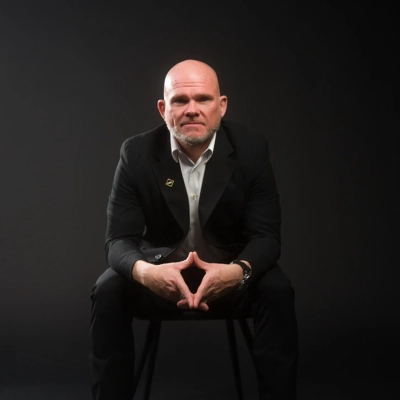
Find Lessons in Setbacks
Reframing negative situations has helped me stay steadier and more focused because it shifts my attention from what went wrong to what I can learn and do next. It reduces the urge to react emotionally and makes it easier to move forward with clarity. The technique I find most effective is reminding myself that things do not happen to me; they happen for me, and there is a lesson in it. When I repeat that, I can look for the takeaway, practice forgiveness where it is needed, and put simple guidelines in place to avoid the same pitfalls again.
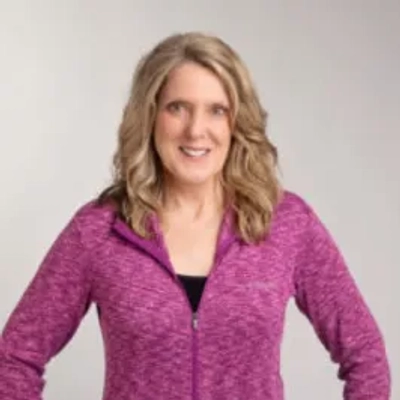
Let Overwhelm Set Exercise Pace
In guiding women over 40 through functional movement and brain health training, I have watched how reframing setbacks like post-surgery recovery or demanding schedules shifts their entire mental state toward steadier resilience.
I used to view tight calendars as barriers until I started seeing them as openings to build quick movement habits that support cognitive clarity and reduce anxiety.
One technique that stands out is treating those moments of overwhelm as direct signals to choose the right pace of exercise rather than fighting the schedule, which keeps both the mind and body in sync.
This approach has let clients move from frustration into consistent progress that protects memory and mood over time.
Turn Pressure Into Responsibility
My experience in live events made me realize that the pressure I carry does not have to turn into stress. I never treat that as a negative burden but regard that as a responsibility.
This approach helps me get the immediate tasks done properly instead of being in panic. I ask myself one question: “What should I focus on right now to make a difference?” This question always pulls my attention back and redirects my focus to the things I can control. I came to understand that feeling stressed only means the work I have is important. I no longer make choices in a panic, and pick the most effective action forward.

Follow Rituals During Stress
In my work at O Spa, I see daily how emotional strain shows up on the skin through tightness or sensitivity. This connection gives me a direct view into how shifting perspective turns those moments into opportunities for steadier responses rather than added pressure.
One technique that stands out is treating a stressful day as a signal to follow a simple, repeated order of cleansing and touch instead of viewing it as chaos. This turns the situation from overwhelming into something familiar and controlled, which calms both the mind and the scalp or facial tension clients describe.
Clients often arrive with concerns about buildup or irritation tied to hectic periods. Reframing those as normal signals rather than problems allows the routine itself to create reassurance through consistent pressure and movement that eases emotional patterns over time.