

PSMA Connect and HealthIQ Solutions announced a healthcare alliance on September 14 that combines group purchasing with remote patient care programs. In a paid company release distributed by PR Newswire and carried by Yahoo Finance, the organizations describe the arrangement as a way to address rising practice costs while supporting care between office visits.
The alliance pairs PSMA Connect’s purchasing contracts with HealthIQ Solutions’ clinical technology and care-management services. The companies say the offering is intended for medical practices and health systems in both urban and rural communities. Their announcement presents planned benefits, including lower overhead and better patient outcomes, but provides no measured results from the joint initiative.
How the Purchasing and Care Services Fit Together
PSMA Connect describes itself as a healthcare group purchasing organization. It says its national distributor partnerships give providers access to volume-discounted pricing for medical-surgical supplies, equipment, pharmaceuticals and vaccines. Its broader purchasing portfolio also includes business services and employee benefits, according to the release.
The organization says it charges no membership fees and imposes no purchasing obligations. Those terms concern participation in its purchasing arrangement; they do not mean that supplies or equipment are free. The announcement does not specify discount percentages, product-level prices or the savings an individual practice could expect.
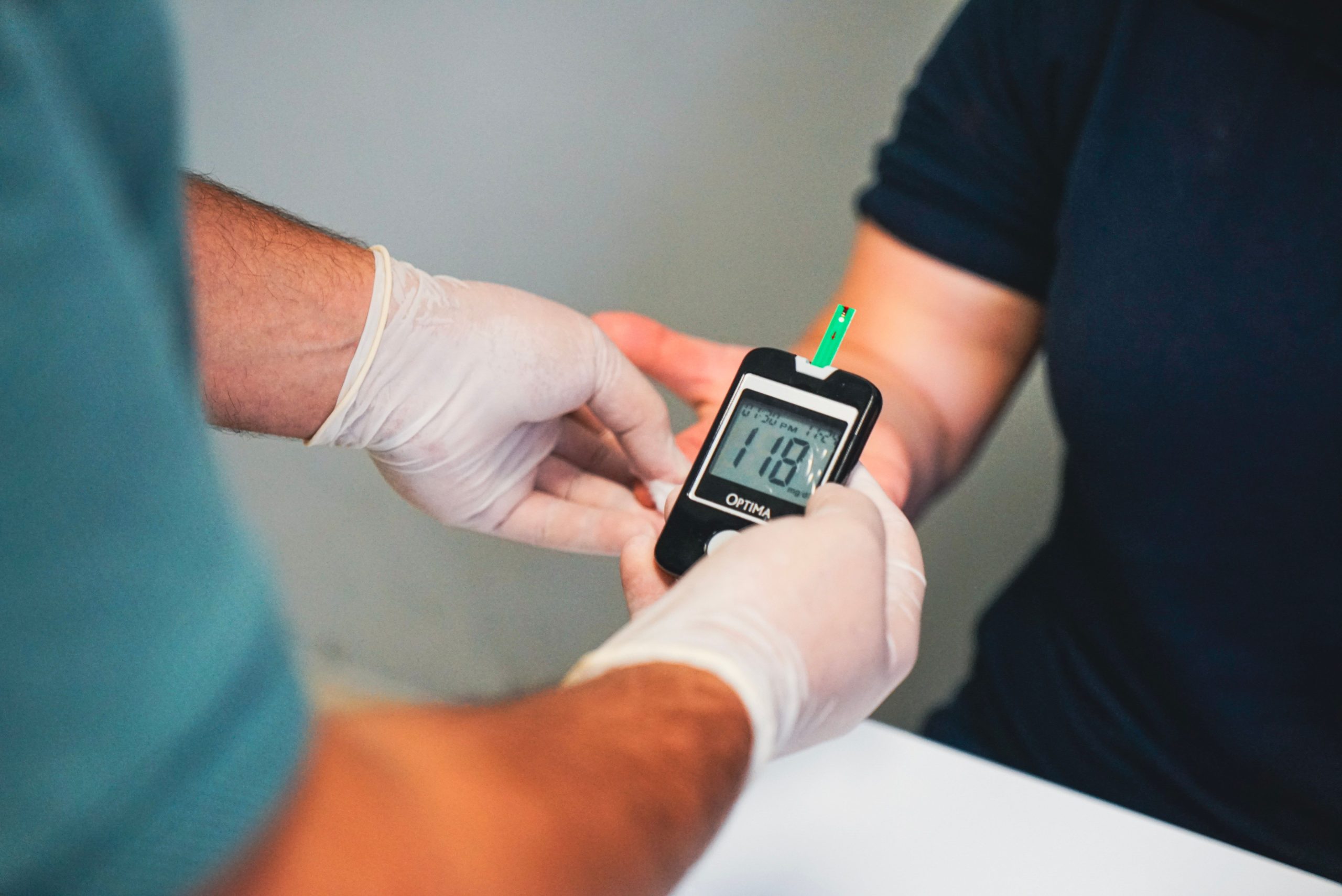
HealthIQ Solutions contributes remote patient monitoring, chronic care management and advanced primary care management programs. The release identifies these services as RPM, CCM and APCM, respectively. The alliance is intended to let providers combine purchasing support with these care programs instead of considering each offering separately.
For remote care, the companies describe cellular and Bluetooth-connected devices, automated compliance tracking and predictive intelligence. HealthIQ says its platform supplements episodic office visits with ongoing monitoring. These are descriptions of the offered services, not independent findings about their performance or suitability for a particular patient.

What the Companies Say About Clinical Innovation
Tim Lescalleet, president of PSMA Connect, said the organization’s mission was to protect providers’ operational health so they could focus on patient care. He described the HealthIQ partnership as extending what members receive beyond traditional supply-chain savings to include clinical tools and patient-engagement support.
HealthIQ chief executive Tim Roche framed the partnership around a change in care delivery. “Healthcare delivery is undergoing a fundamental shift from reactive, office-bound care to proactive, continuous management,” he said in the release. He also described the alliance as addressing barriers faced by both rural and urban providers.
The companies say continuous monitoring and predictive analytics can help providers identify rising health risks and prevent unnecessary hospital readmissions. The announcement includes no readmission rates, patient study, comparison group or clinical evaluation of the combined offering. It therefore does not establish that participating practices will achieve those outcomes.
The same distinction applies to financial claims. The companies say support for reimbursement programs can help practices build recurring revenue and improve quality measures. They do not provide reimbursement amounts, payer-specific terms or a revenue projection for participating providers. New revenue is a stated aim, not a guaranteed result reported here.
Participation Terms and Unanswered Questions
The release advertises the remote care programs as available without upfront provider costs. That is separate from PSMA Connect’s statement about membership fees and purchasing obligations. The announcement does not set out a complete service contract, ongoing charges, implementation timetable or allocation of responsibilities between a practice and the vendors.
Geographically, the companies describe a nationwide offering designed to reach underserved populations as well as high-density urban areas. No participating practice, health system, enrollment total or first deployment is named. Readers therefore cannot assess adoption or the scale of implementation from this announcement alone.
The concrete development is a commercial alliance joining purchasing services with remote-care technology. The companies’ stated clinical innovation and cost-saving goals explain its proposed role, but assessing those claims will require evidence beyond the launch release. For now, the announcement establishes what the partners say they are offering, not what the combined program has achieved.