
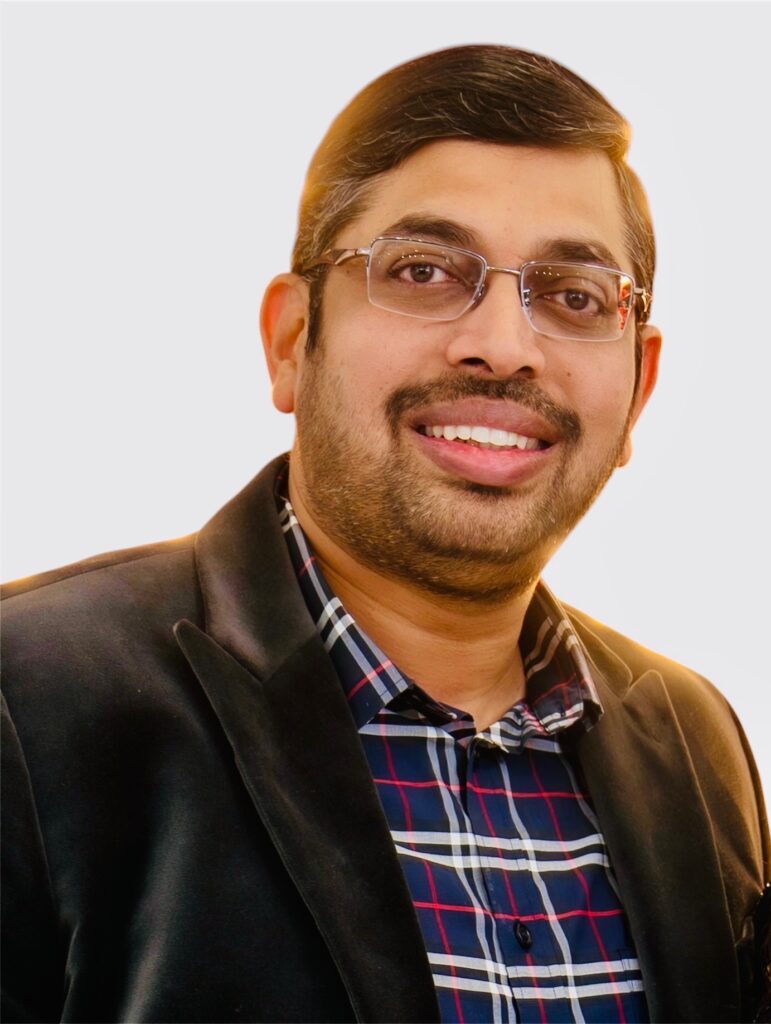
In a corner of the United States where medical professionals are scarce, Dr. Sashank Kolli, MD, FACP, FCCP, CHS, has become a vital force for progress. As a highly dedicated pulmonary and critical care specialist serving a medically underserved rural community, he provides essential clinical care while simultaneously driving the hospital’s strategic direction. From managing complex ICU cases to leading the Heart and Lung Center, Dr. Kolli balances the high-stakes world of critical care with a vision for institutional growth.
Dr. Kolli, you’ve dedicated nearly a decade to a medically underserved rural community. What are the unique challenges of providing Pulmonary and Critical Care in this setting, and how has it shaped your mission?
Dr. Kolli: In rural healthcare, the scarcity of specialists creates profound responsibility. You aren’t just a physician; you are a vital lifeline for the community. The primary challenge is ensuring that patients in “healthcare deserts” receive the same standard of advanced care found in major metropolitan centers. This environment has fueled my mission to bridge that gap through both high-level clinical expertise and strategic hospital leadership.
You hold several pivotal roles, including Director of the Heart and Lung Center and Chair of the Pharmacy and Therapeutics Committee. One of your specific goals is to reduce hospital readmissions. Can you tell us how you are achieving that?
Dr. Kolli: Reducing readmissions is about closing the gaps between inpatient and outpatient care. Through the Heart and Lung Center and our dedicated readmissions committee, we focus on timely interventions, medication assistance, and robust outpatient support. By providing these resources early, we can prevent complications before they require a return to the hospital, which significantly improves the long-term quality of life for our patients.
COPD is the fourth leading cause of death worldwide, with a particularly high prevalence in rural areas. How do you perceive the impact of this disease on the society you serve?
Dr. Kolli: The burden of COPD in the heart of rural America is immense. Because it is often tied to lower socioeconomic status, the impact ripples out from the patient to their family and the local economy. What is striking is that relatively simple interventions, smoking cessation and education—can be the most effective way to tackle it. I recognize that smoking is a powerful addiction, and helping a patient quit is one of the most challenging but rewarding tasks I undertake. When one person quits, it isn’t just a clinical win; it brings a significant positive change to their entire family and the community. That is deeply fulfilling for me.
Given that passion, what specific work have you done throughout your career to tackle the progression of COPD?
Dr. Kolli: I’ve invested “extra” time into COPD since my earliest medical training. My work has spanned the spectrum from bench research to clinical trials and hospital-wide initiatives. Currently, our Heart and Lung Center is a unique initiative that allows me to lead a multidisciplinary team dedicated specifically to these patients. We ensure they receive timely, specialized care that addresses the disease from multiple angles. I feel very fortunate to be part of a team that prioritizes these interventions so highly.
Your work in COPD research is particularly noteworthy. How does your participation in clinical trials benefit a rural academic hospital?
Dr. Kolli: Clinical trials are the engine of medical progress. By bringing these trials to our hospital, we give our patients access to cutting-edge COPD treatments that might otherwise be unavailable in a rural setting. It keeps our institution at the forefront of medical science and allows us to contribute directly to changing global patient outcomes.
As an Associate Professor of Medicine Practice and Critical Care Clerkship Director, you are heavily involved in mentoring. Beyond clinical knowledge, what “soft skills” do you believe are essential for the next generation of physicians?
Dr. Kolli: I always tell my students that “life is all about doing a little extra.” Whether that’s staying late to support a colleague or writing that letter of recommendation to help a resident succeed in their career, or participating in clinical trials and hospital initiatives, these efforts define a physician’s character. I also emphasize time management—balancing the intensity of the hospital work with personal goals is the only way to achieve a meaningful, long-term impact without burnout.
You serve on national boards like the ACP and ABIM, helping write board exam questions and peer-reviewing journals. How does this national involvement influence your local work?
Dr. Kolli: It’s a reciprocal relationship. My work with organizations like the ACP and CHEST allows me to bring global best practices back to our rural community. Simultaneously, my daily experience of working in a robust hospital in an underserved area provides a unique perspective when I am judging academic presentations or helping set the standards for board certifications. It ensures that the “real world” of rural medicine is represented at the highest levels of our profession.
Your journey from India to becoming a Chief Resident and now a multi-departmental Director is a story of immense resilience. How does that personal history influence your leadership style today?
Dr. Kolli: Arriving to the U.S. alone without any local connections demands a high degree of self-discipline and perseverance. That period of independence and sacrifice is the foundation of my leadership. It taught me that growth is a result of consistent effort. Today, I use that same resilience to help reshape our hospital’s organizational processes, always pushing to move from subspecialty excellence into broader institutional leadership.
Looking ahead, you have goals involving hospital administration and achieving ACP Mastership (MACP). What is the driving force behind this next chapter?
Dr. Kolli: My goal is to transition into roles such as Chief Medical Officer or Chief Physician Executive. I want to use my clinical background to lead broader institutional change. Achieving Mastership distinction would be a formal recognition of a career-long commitment to internal medicine, but the true reward is seeing the lasting, positive change we can create when clinical skills and leadership insights come together.