
Across the United States, discussions around rural healthcare often focus on access, workforce shortages, and service gaps. However, the financial structure behind these facilities is often overlooked. Analysis shows that more than 700 rural hospitals are at risk of closing, including 300 at immediate risk, underscoring the fragility of care delivery in smaller communities. While these pressures are often attributed to operational challenges, there is growing recognition that how projects are financed can play a decisive role in whether care remains available locally.
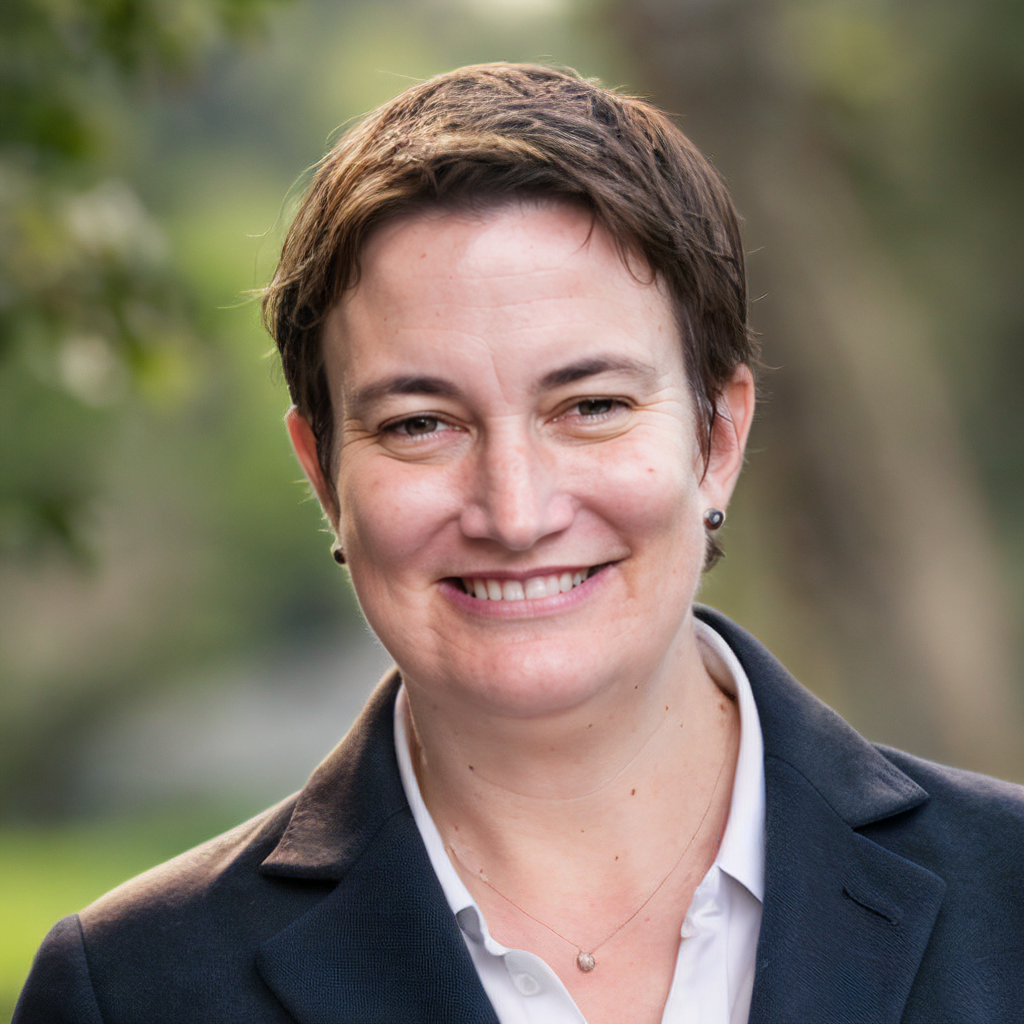
From the perspective of Katie Newman, founder and CEO of High Point, the issue is not simply about funding availability, but about how that funding is assembled. She suggests that many rural healthcare projects begin with assumptions rooted in conventional financing models, often centered on debt. In her view, this approach can unintentionally place long-term pressure on systems that are already operating within tight margins.
“Financial sustainability is determined long before a facility opens its doors,” Newman says. “It comes down to how the project is structured at the outset, and whether that structure reflects the realities of the community it is meant to serve.”
High Point operates within this intersection of healthcare development and capital strategy, working with hospitals and community providers to plan, finance, and deliver facilities. Rather than focusing solely on construction or funding in isolation, Newman explains that the work involves aligning both elements into a model that can support ongoing operations.
Central to this approach is the concept of a layered capital stack. Instead of relying on a single funding source, Newman emphasizes combining multiple mechanisms, each contributing to the overall financial structure in a different way. She points to New Markets Tax Credits and Commercial Property Assessed Clean Energy financing as two of the most effective tools, often complemented by philanthropic grants and congressional appropriations.
From her standpoint, these sources are not interchangeable. Each comes with its own criteria, timelines, and expectations, requiring careful coordination. “No two projects are the same,” Newman explains. “The capital stack has to be built around the specific needs of the project and the community, rather than forcing a one-size-fits-all model.”
A current rural health clinic project illustrates how this strategy can reshape financial outcomes. Newman explains that the project integrates New Markets Tax Credits alongside a $2 million congressional appropriation and approximately $500,000 in grant funding. By layering these sources, the structure significantly reduces reliance on traditional debt.
“The objective is to limit the financial burden placed on the system over time,” Newman says. “Reducing debt allows the organization to focus on delivering care rather than servicing financing obligations.”
This reduction in debt exposure has broader implications. In communities where patient volumes can fluctuate and reimbursement structures may vary, lower fixed financial obligations can provide greater operational flexibility. Newman frames this as a shift away from viewing financing as a constraint and toward understanding it as a strategic component of long-term sustainability.
She also notes that financial structure can influence factors beyond balance sheets. Modern, well-designed facilities supported by sustainable funding models can play a role in attracting clinicians, helping to strengthen the overall care ecosystem. From her perspective, infrastructure and financial planning are closely connected to workforce stability in rural settings.
At the same time, Newman emphasizes that financial sustainability is not achieved through any single mechanism. It emerges through alignment across multiple elements, including funding sources, operational goals, and community needs. In her view, projects are most effective when these components are considered together rather than in isolation.
Her broader objective reflects this integrated approach. “The goal is to help rural healthcare systems grow in a way that keeps care within the community,” Newman says. “When projects are structured thoughtfully, they support not only the facility but the people it serves.”
As rural healthcare systems continue to navigate economic and structural pressures, this perspective introduces a different lens for evaluating solutions. “Financial sustainability is about designing a framework that can adapt over time, reduce strain on providers, and allow care to remain accessible where it is needed most,” Newman says. In that context, the question shifts from how to fund a project to how to structure it in a way that sustains both the organization and the community it supports.