


Digital therapeutics (DTx) are emerging as a significant tool in managing chronic diseases and other health conditions in India, but their widespread adoption hinges on clear regulatory pathways, robust clinical evidence, and accessible reimbursement models. These evidence-based digital interventions aim to prevent, treat, or manage diseases through clinically validated approaches, differing from wellness apps by focusing on medically measurable outcomes.
The Indian market presents a compelling opportunity for digital therapeutics due to the growing burden of non-communicable diseases, increasing smartphone penetration, and developing digital health infrastructure. Conditions such as diabetes, cardiovascular diseases, mental health issues, and stroke-related disabilities require ongoing management beyond hospital visits, areas where digital interventions can provide continuous support through remote monitoring, tailored guidance, and patient engagement.
Clinical Efficacy and Innovation
Innovation in digital therapeutics has shown promise across various conditions. Research involving the Wellthy CARE platform, for instance, indicated improvements in glycaemic control for individuals with type 2 diabetes, suggesting that digital coaching and sustained patient engagement can aid blood sugar management. However, these findings are context-dependent and require careful interpretation.
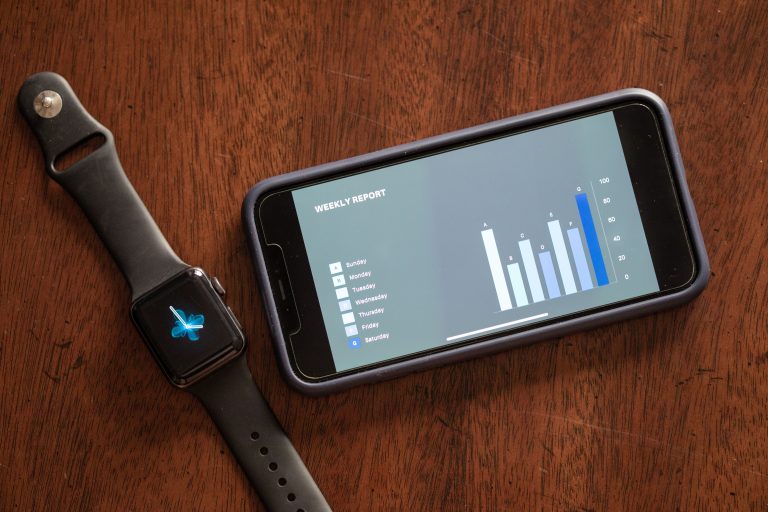
Emerging areas include digital cardiac rehabilitation and remote monitoring, which can support blood pressure management, medication adherence, and lifestyle changes outside traditional healthcare settings. Digital exercise-based rehabilitation, demonstrated by applications like ReWin, offers structured home-based stroke rehabilitation, potentially benefiting patients with limited access to specialized services. Mental healthcare also stands to gain from digital interventions, with smartphone-based programs and teletherapy offering increased access for individuals facing geographical or financial barriers.
While these examples highlight the diverse applications of digital therapeutics, each product requires separate evaluation. Improved engagement does not automatically equate to therapeutic effectiveness, underscoring the necessity of rigorous clinical evaluation to confirm safety and meaningful health outcomes.
Regulatory Landscape and Policy Developments
India’s regulatory framework for medical devices includes provisions for software, but a comprehensive pathway specifically for digital therapeutics is still developing. The Medical Devices Rules, 2017, and the Central Drugs Standard Control Organisation’s (CDSCO) Guidance Document on Medical Device Software, issued in July 2026, offer a structure, but do not fully address all DTx-specific issues. The classification and compliance requirements for a product depend on its intended use, functionality, and claims.

Several policy initiatives are underway that could impact the digital therapeutics ecosystem. The Ministry of Health and Family Welfare launched the Strategy for Artificial Intelligence in Healthcare for India (SAHI) and the Benchmarking Open Data Platform for Health AI (BODH) on February 17, 2026, aiming to guide the ethical use of AI in healthcare. Additionally, the National Health Authority renewed its memorandum of understanding in November 2025 to strengthen evidence-based healthcare decision-making, extending Health Technology Assessment India (HTAIn) work to digital health interventions.
The Challenge of Reimbursement and Affordability
Affordability remains a significant hurdle for the widespread adoption of digital therapeutics in India. In a price-sensitive market where patients often bear out-of-pocket expenses, recurring costs can limit long-term engagement. Without established payment structures, digital clinical support may be confined to self-paying patients or employer-sponsored programs.
Possible reimbursement models include employer-sponsored benefits, insurance payments, provider-led programs, and public purchasing. However, a dedicated DTx payment pathway requires further policy development and implementation, building on foundations like HTAIn for evidence-based decision-making. International examples from Germany, South Korea, and the United States offer insights into structured assessment, reimbursement, and product classification.
Integrating Digital Therapeutics into Healthcare
For digital therapeutics to achieve lasting impact, they must be integrated into existing treatment pathways. The Ayushman Bharat Digital Mission (ABDM) can support this integration through interoperable infrastructure. Platforms should align with healthcare provider workflows and electronic health records, while meeting privacy and security standards.
Healthcare providers require practical support to understand the purpose, evidence, and limitations of these interventions. Furthermore, implementation must address disparities in access to devices, internet connectivity, and digital literacy, particularly in rural communities. Continuous real-world monitoring is crucial for assessing patient safety and the durability of outcomes.
The future of digital therapeutics in India depends on creating a clear pathway from development to routine clinical practice. Connecting initiatives like CDSCO’s guidance, SAHI, BODH, and HTAIn through clearer product classification, appropriate clinical evidence requirements, and transparent purchasing criteria is the next critical step. The ultimate goal is to establish digital therapeutics as trusted components of care, delivering demonstrated benefits in patient outcomes, safety, cost-effectiveness, and equitable access.