

Recovery after surgery doesn’t end when patients leave the hospital, and technology is changing how healthcare teams monitor and support them at home. This article gathers practical advice from healthcare professionals who use digital tools to improve post-operative outcomes and catch complications early. Learn how experts are using photo monitoring, text messaging, and remote dashboards to keep patients safer and more connected during their recovery.
- Integrate Remote Dashboards into Care Paths
- Match Photo Checks to Risk Windows
- Speed Triage with Patient Preferred Text
- Calm Nerves to Improve Recovery
Integrate Remote Dashboards into Care Paths
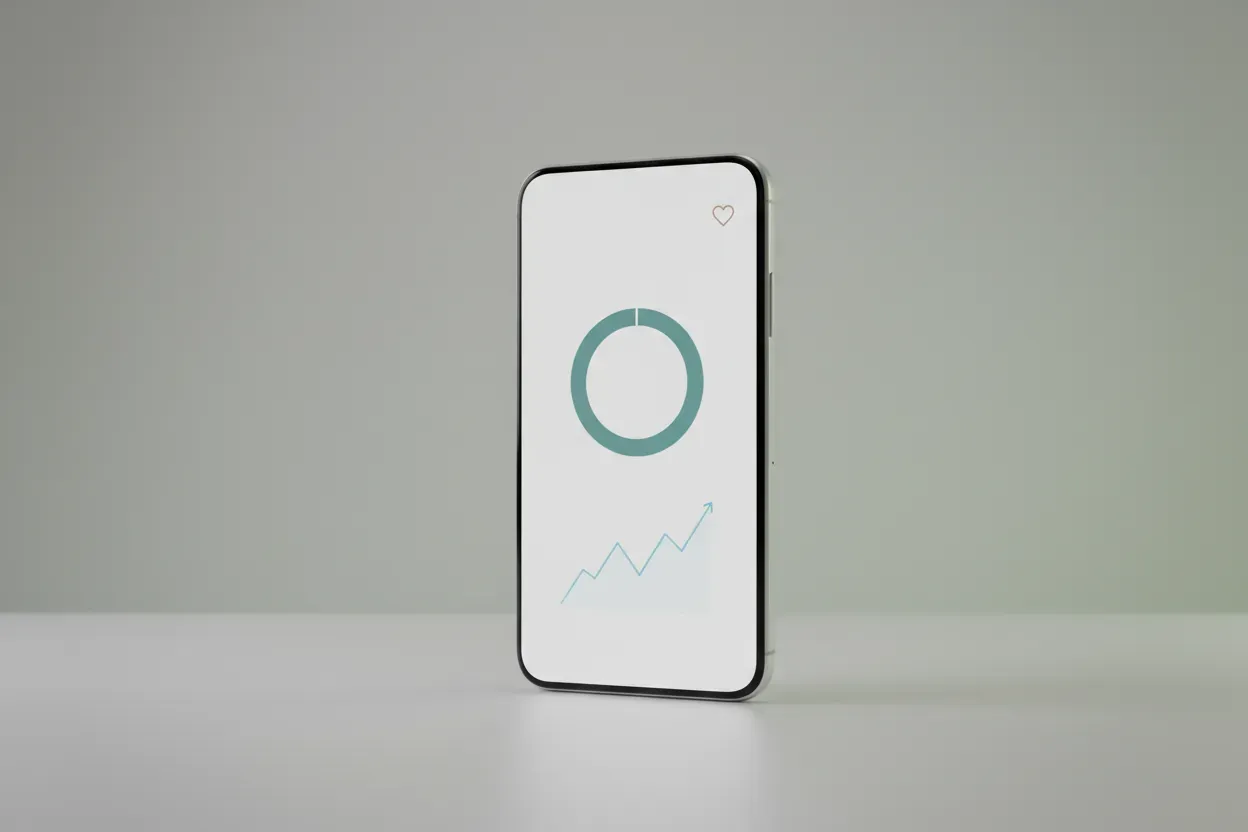
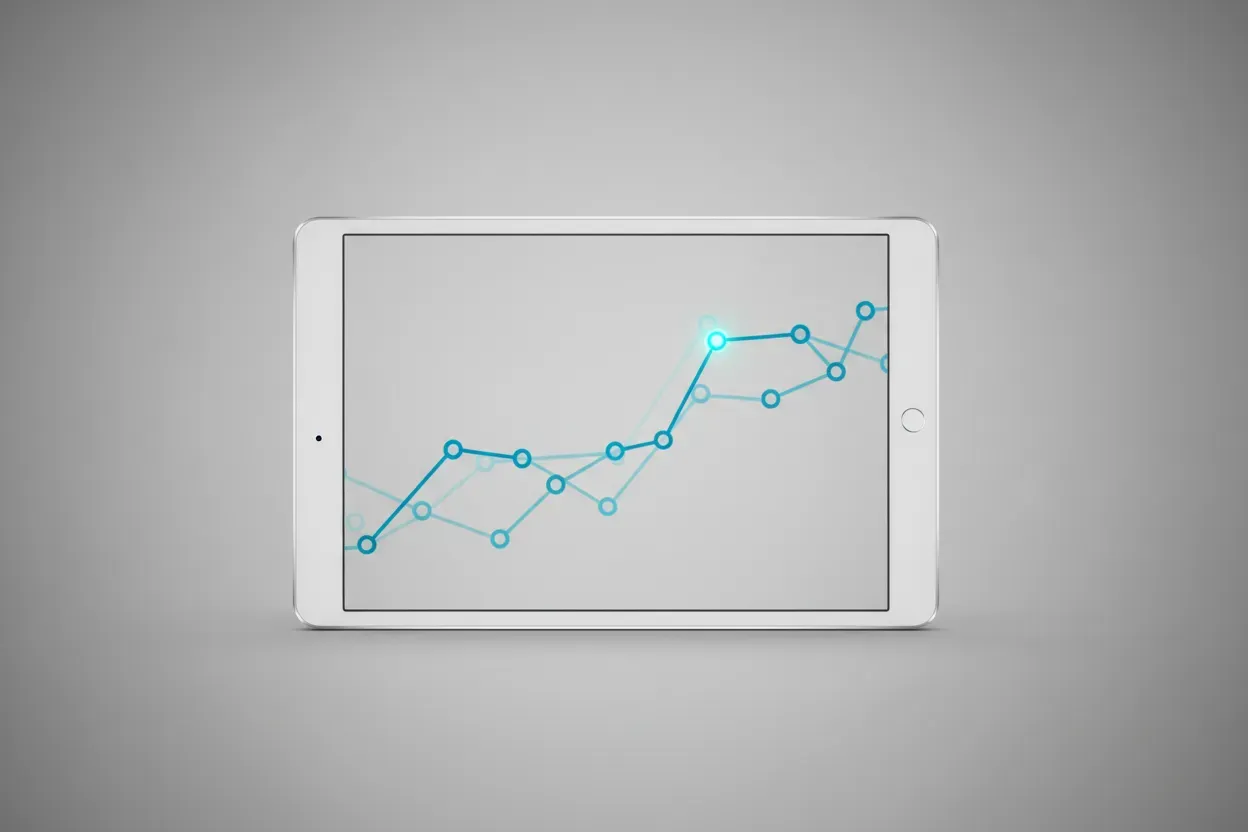
We have leveraged digital health in post-operative care by implementing remote patient monitoring and structured digital follow-up pathways for patients recovering from chronic condition-related procedures. Patients report symptoms, pain scores, and medication adherence through a unified mobile interface, while clinical teams review trends through dashboards supported by real-time alerts. This enables early identification of deviation from expected recovery patterns and allows timely clinical intervention. The approach has improved continuity of care after discharge and reduced delays in post-operative response cycles, while supporting more consistent monitoring without increasing in-person visit dependency.
The key design principle is clinical simplicity with workflow alignment. Digital post-operative systems succeed when they integrate into existing care pathways rather than adding parallel processes. Providers should begin with a single high-impact use case, define clear escalation rules for alerts, and ensure patient interfaces are minimal and instruction led. Once clinical utility is established through measurable outcomes such as reduced complication escalation and improved follow-up adherence, the model can be expanded across procedures and specialties.

Match Photo Checks to Risk Windows
The post-op digital tool I have built into my dermatologic surgery practice is a scheduled photo capture from the patient at days 1, 3, 7, and 14 after the procedure. The patient is texted a portal link on those days asking for a single photo of the wound or biopsy site. My medical assistant reviews each photo within 24 hours. Any photo with bleeding, dehiscence, expanding redness, purulence, or unexpected swelling triggers a same-day call from me. Any photo that looks normal triggers an automated reassurance message.
My one tip for providers building this is to set the cadence around the predictable trouble points for your specific procedure rather than around generic post-op week-one visits. For dermatologic surgery the highest-risk windows are 24 to 48 hours for bleeding and days 5 to 10 for dehiscence and infection. Those are the photo-capture days for me. The cadence works because it tracks the biology of the specific procedure.

Speed Triage with Patient Preferred Text
One of the biggest improvements in my practice has been implementing a dental software platform that allows for more direct and streamlined communication with patients after surgery. Patients overwhelmingly prefer text communication, and this HIPAA-compliant platform has made postoperative follow-up feel more immediate and accessible. After-hours voicemails are transcribed and texted directly to me so I can triage concerns quickly and address emergencies faster. Improving communication workflows can dramatically improve outcomes and patient experience, and I believe that communication platforms like this will become standard in healthcare. Ultimately, a tip for other healthcare providers would be to keep in mind that digital health should strengthen human connections, not replace them.

Calm Nerves to Improve Recovery
Post-operative care becomes much more effective when patients feel supported between appointments, not just during clinical visits. At Sensate, I’ve seen how digital health tools can help people regulate their nervous system after surgery by giving them simple, repeatable ways to manage stress, improve sleep, and stay engaged in their recovery. We worked with users recovering from procedures who told us that guided vagus nerve stimulation and nervous system regulation exercises helped reduce the anxiety spiral that often slows healing and increases pain perception.
One experience that stayed with me was hearing from a patient who struggled more with post-surgical insomnia and emotional overwhelm than the physical pain itself. By integrating short daily calming sessions into her recovery routine, she felt more in control and consistent with mobility exercises and medication schedules. That reinforced something I’ve learned repeatedly: recovery is deeply connected to the state of the nervous system, not just the surgical outcome.
One tip I’d give healthcare providers is to focus on patient adherence through simplicity. The best digital health tools are easy to use when someone is exhausted, anxious, or in pain. If patients can engage with support in under five minutes a day and immediately feel the benefit, they’re far more likely to stay consistent throughout recovery.