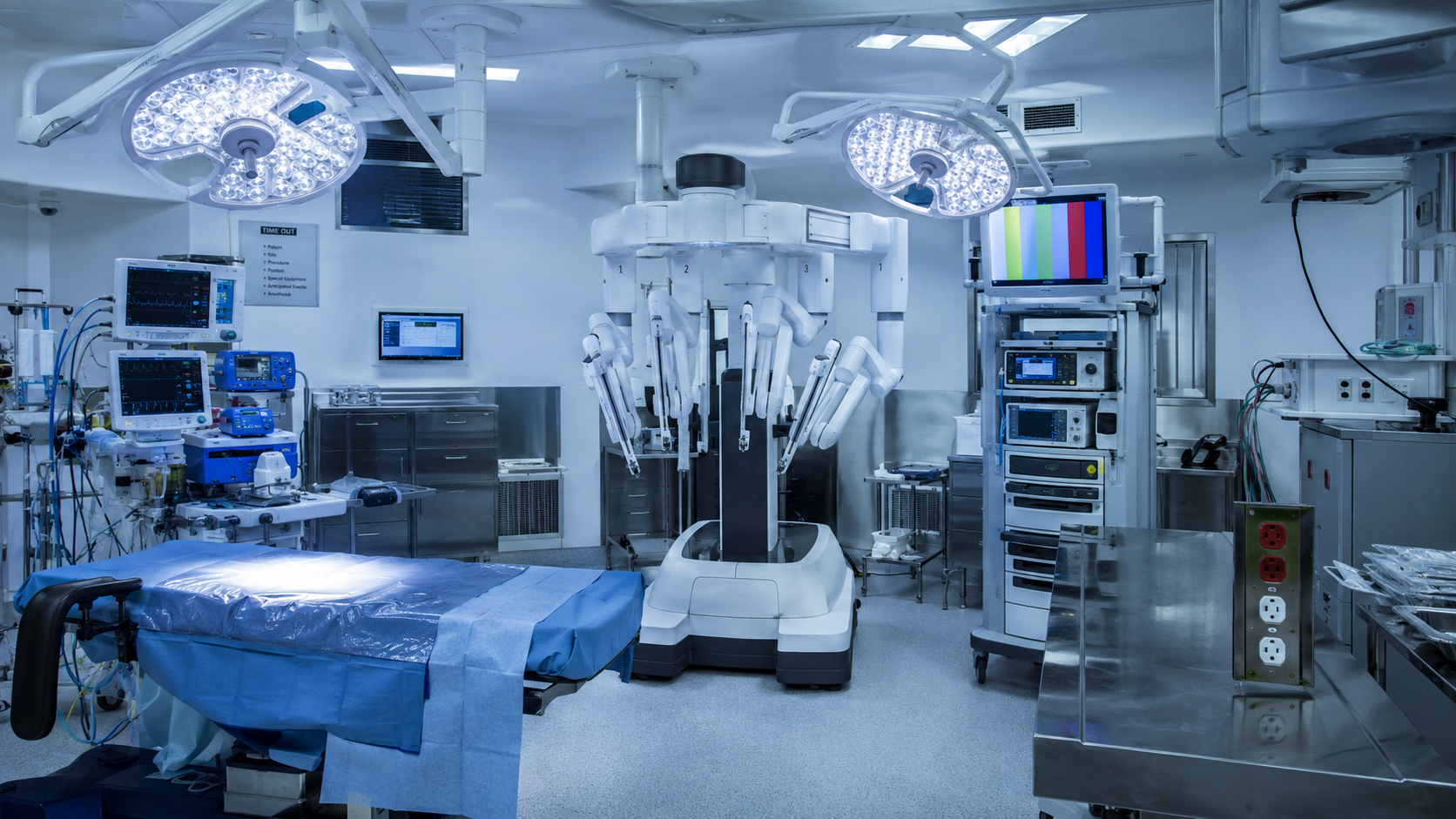

As dental robotics moves from novelty toward clinical practice, the technology is forcing a larger question: when does an expensive machine genuinely improve care? The FDA cleared the Yomi system for dental implant procedures, giving robotics a foothold in a field where precision can materially affect complex treatment.
CDC surveillance found that 11.4% of adults aged 65 to 74 had lost all their teeth, rising to 19.7% among those 75 and older. Tooth loss also tracks with economic disadvantage, making access to sophisticated treatment a question of affordability as well as technology.
Yet adoption alone does not establish value. Robotic systems require substantial investment, training, and changes to clinical workflow. For dentists deciding whether such equipment belongs in their practices, the harder calculation is whether the technology earns its place through measurable clinical utility.
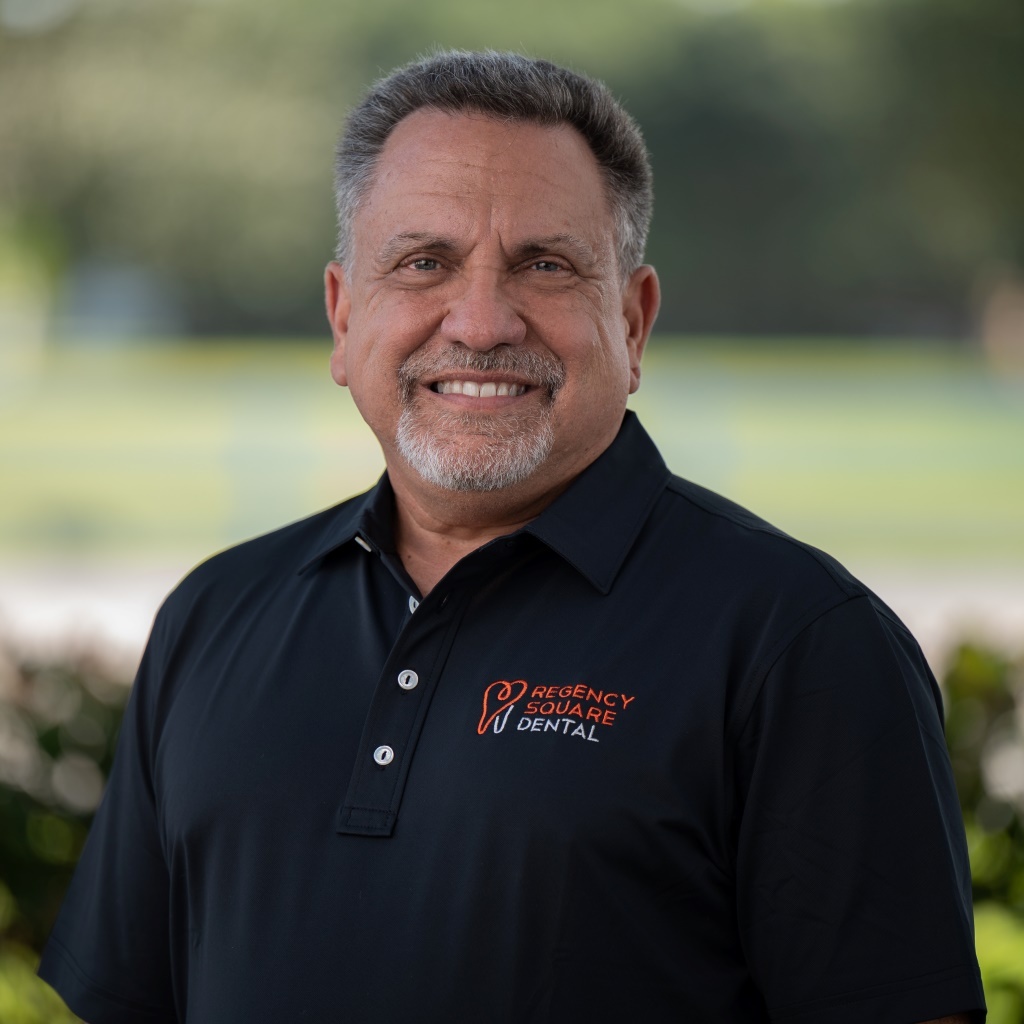
Dr. Reinol Gonzalez, who has spent 38 years practicing implant dentistry, approached that calculation from an unusual starting point. An engineer before becoming a dentist, Dr. Gonzalez built Regency Square Dental with his wife after they graduated from dental school together. He now works alongside their son and daughter-in-law in a five-doctor practice with about 30 employees.
His path to robotic implant placement reflects a philosophy of technology as a tool rather than a trophy. Dr. Gonzalez had used freehand implant placement before adopting 3D-printed surgical guides. Yomi received FDA clearance in 2017, but Dr. Gonzalez recalls that its roughly $200,000 price tag did not justify replacing a workflow he already considered sufficiently precise.
“Even today I don’t recommend that every doctor buy a robot. It still has to make sense,” he maintains. “I’ve done the math and everything to explain, here’s where it makes sense.”
Three or four years ago, after improvements to the equipment and growth in his implant volume, the calculation changed. During his first two weeks of Yomi training, Dr. Gonzalez placed 125 implants, according to his account, prompting Neocis to involve him in advisory and development work.
The engineering background remains central to how Dr. Gonzalez approaches complex cases. He notes that patients notice that both he and his son trained as engineers before dentistry. “They feel comfortable that, especially for the big cases, we put a lot of our heads into it and give them the right treatment plan,” he explains.
That technical orientation sits within a practice whose continuity is familial. Dr. Gonzalez and his wife have worked together for 38 years, while their son and daughter-in-law joined five years ago. He views the arrangement as a way to transfer accumulated clinical knowledge while keeping the practice moving into its next generation.
After a decade teaching implant dentistry and a faculty role at a university in Florida, Dr. Gonzalez left that structure and created an institute with a former student. A nonprofit foundation, approved in January, grew from the need for patients and accessible clinical education.
Dr. Gonzalez plans to work with local public health and medical centers to identify patients who cannot afford complex implant treatment. According to him, foundation funding could also subsidize implant education for dentists facing course costs that can reach $20,000. He argues that affordability for clinicians matters because gaps in advanced training ultimately affect patients.
“We need enough funds to cover all those costs, then I could even teach basically for free so that the doctors can get the education,” he remarks. “Maybe if we can do it in a way that they can afford it, then we’ll be improving the quality of care that they’ll be providing to their patients.”
In Dr. Gonzalez’s view, the technology and the foundation follow the same logic: investment should have a defensible purpose. The next phase, as he sees it, is about determining where expertise, equipment, and education can extend access to treatment that remains out of reach for many patients.