
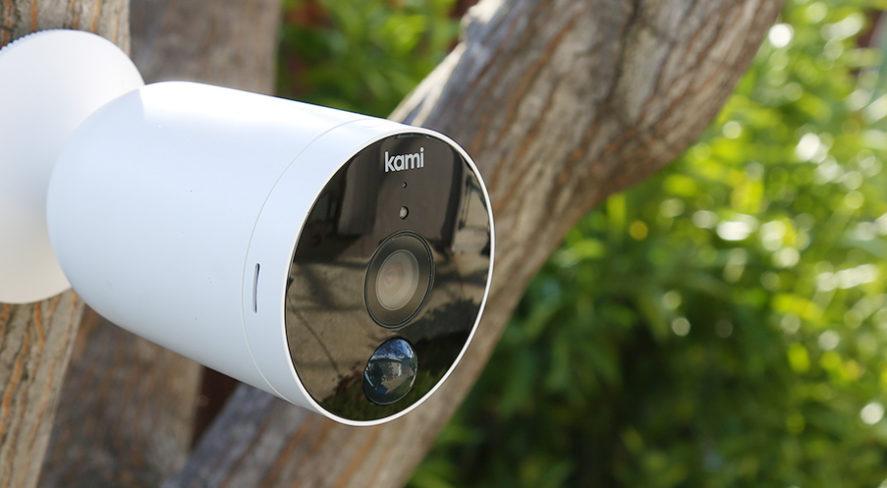
The elder care technology market is projected to reach $30 billion by 2030, and one company is positioning itself to capture a significant share. KamiVision returned to CES 2025 with a product that addresses one of healthcare’s most expensive problems: fall-related injuries among seniors. The San Jose-based company unveiled the Kami Fall Detect Camera, a consumer-grade device that brings enterprise-level Vision AI solutions to the mass market for the first time.
The timing could not be more strategic. With 10,000 Americans turning 65 every day and healthcare costs from senior falls exceeding $50 billion annually, investors and industry observers are paying close attention to companies developing senior safety AI technology. KamiVision’s latest offering represents a calculated bet that intelligent home monitoring systems will become as essential as smoke detectors in American households.
The Market Opportunity Behind the Technology
The numbers tell a compelling story. According to the CDC, falls are the leading cause of injury-related death among adults 65 and older. More than 14 million seniors fall each year, and in 2023, over 41,000 died from fall-related incidents. Emergency department visits for fall injuries among older adults topped 3.5 million, with average inpatient costs exceeding $18,000 per visit. These statistics represent both a public health crisis and a massive addressable market. KamiVision has spent years refining its AI fall detection systems within the institutional care market.
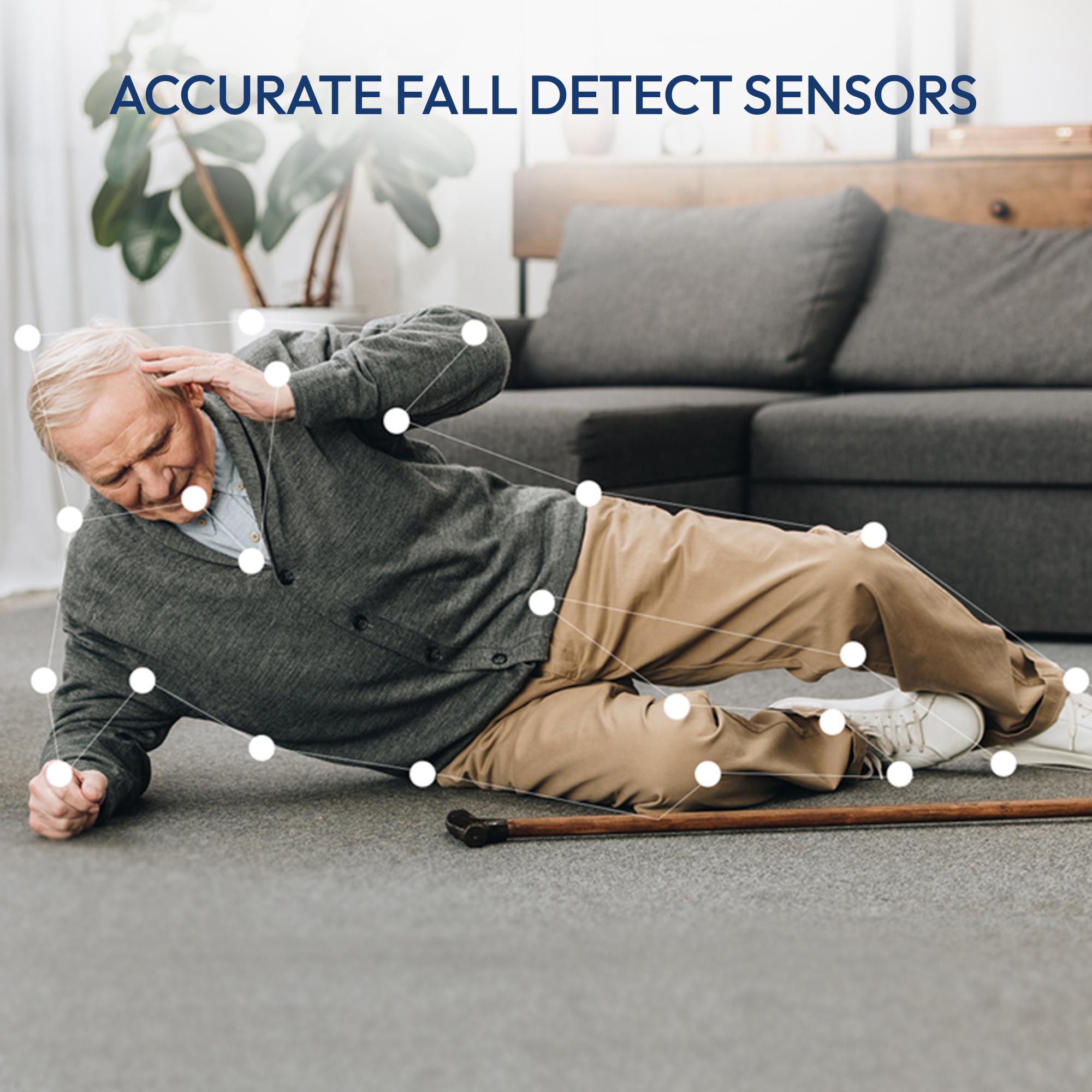
The company’s KamiCare platform already serves senior living and memory care communities across the United States, generating real-world data needed to achieve 99.5% detection accuracy. This enterprise foundation gives the company a competitive advantage as it enters the consumer space with smart home security cameras designed for aging-in-place applications.
Product Strategy and Pricing Model
The Kami Fall Detect Camera reflects a hardware-plus-subscription business model that has proven successful across the smart home industry. The device carries an introductory price of $99.99, positioning it as an accessible entry point for cost-conscious consumers. This recurring revenue structure provides predictable cash flow while building long-term customer relationships.
The technology stack is impressive. The high-definition camera includes a 360-degree rotation capability to adjust the camera angle remotely. Installation is straightforward, connecting via Wi-Fi and powered through a standard outlet and USB-C cable. Minimizing blind spots that plague competing AI home security systems is one of KamiCare’s strengths. The system alerts caregivers through phone calls, texts, or emails via the Kami Home app, creating multiple redundancies in emergency response.

Competitive Landscape and Differentiation
The Vision AI for assisted living market includes established players and well-funded startups, but KamiVision’s approach offers distinct advantages. Unlike wearable fall detection devices from Apple and Medical Guardian, the Kami Fall Detect Camera requires no user action. This passive monitoring model solves a critical compliance problem: seniors frequently forget to wear or charge wearable devices, rendering them useless during emergencies.
KamiVision AI technology also differentiates through its predictive capabilities. The system identifies what leads up to falls, enabling specific and proactive interventions rather than trying to guess how to create a safer environment for your loved ones at home. This predictive element positions the product as a home and business security solutions platform with healthcare applications, potentially opening additional market segments beyond individual consumers.
Company Trajectory and Growth Metrics
KamiVision has demonstrated strong growth fundamentals, driven by year-over-year revenue growth and steady workforce expansion since 2020. Today, KamiVision software powers 15 million devices serving 6 million active users across 120 countries. The company holds over 100 patents, creating meaningful intellectual property barriers.
Global operations span headquarters in San Jose with offices in Shanghai, Bangalore, and the Philippines. This international footprint supports product development and customer service at scale. Looking ahead, the company announced plans to launch a wearable IoT smart ring in 2025, expanding its ecosystem with devices that track heart rate, sleep patterns, and blood oxygen levels.
Investment Implications
For investors tracking the aging-in-place technology sector, KamiVision represents a company successfully transitioning from B2B to B2C markets while maintaining enterprise relationships. The combination of proven technology, a recurring revenue model, and massive demographic tailwinds creates an interesting profile. As healthcare costs rise and seniors increasingly prefer aging at home over institutional care, companies offering effective safety solutions stand to benefit significantly.
The Kami Fall Detect Camera will be available in early 2025 through the company’s website and retail partners. With its focus on what leadership calls “AI for Good,” KamiVision is betting that the intersection of artificial intelligence and elder care represents not just a business opportunity, but a generational shift in how families approach aging. For a market hungry for senior care solutions, that bet looks increasingly well-placed.
For more information, visit KamiVision or KamiCare’s website or Instagram.