

Natural disasters push emergency healthcare systems to their breaking point, where every second counts and resources are scarce. Artificial intelligence is proving to be a critical tool in these crisis situations, particularly when it comes to rapid patient assessment and prioritization. This article examines real-world applications of AI-powered triage systems, drawing on insights from medical professionals and disaster response coordinators who have deployed these technologies in the field.
- Act Faster Through Smart Triage
- Fuse Feeds for Live Situational Awareness
- Ensure Equitable Decisions Under Accountable Oversight
- Forecast Surges Then Stage Critical Supplies
- Bridge Language Gaps via Private Translation
- Design Offline-First to Sustain Edge Care
Act Faster Through Smart Triage
During the COVID-19 pandemic, the hospital was very crowded. I worked in the emergency ward where we had too many patients and not enough staff. AI helped us in two main ways.
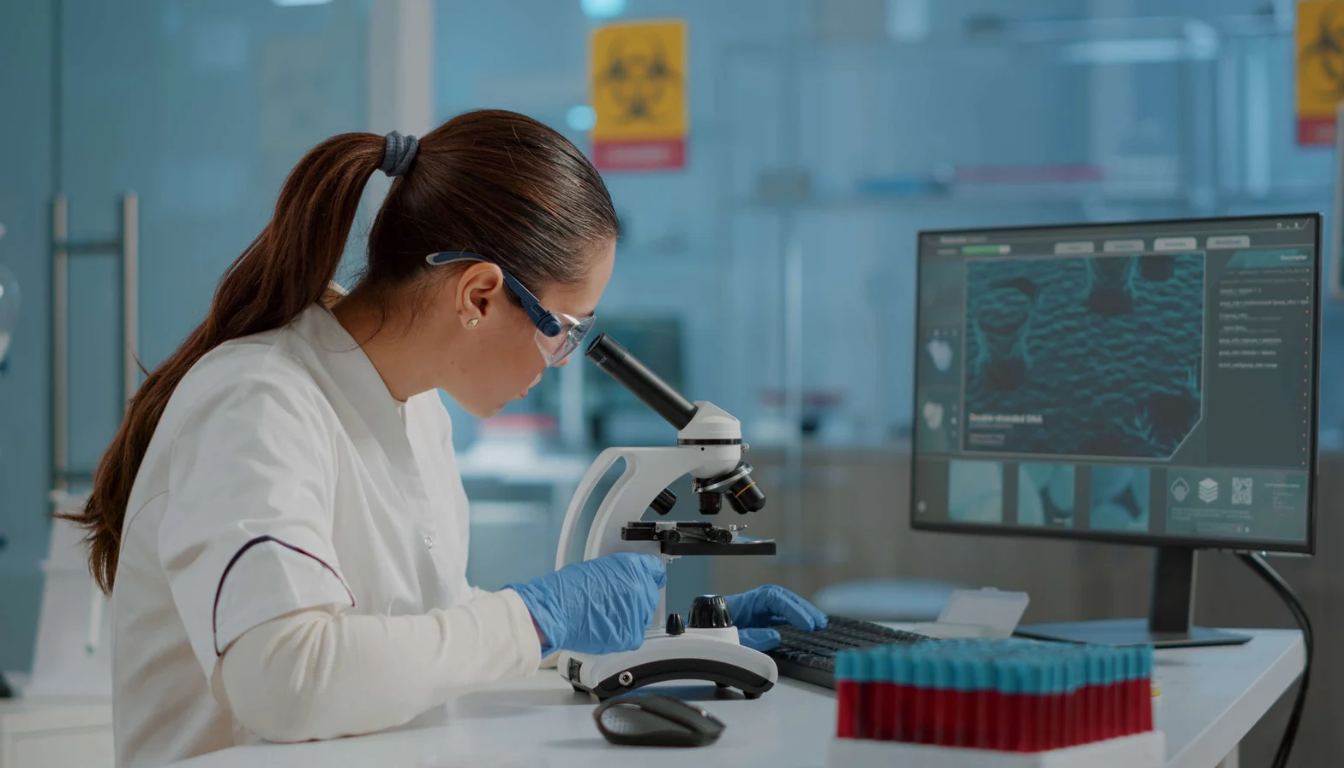
First, it helped with chest X-rays. We had hundreds of lung scans to check every day. The AI could look at an image in seconds. It would flag the scans that showed severe lung damage. This told us which patients needed oxygen or a ventilator immediately. It saved us from spending hours manually sorting through every single film while people were waiting for help.
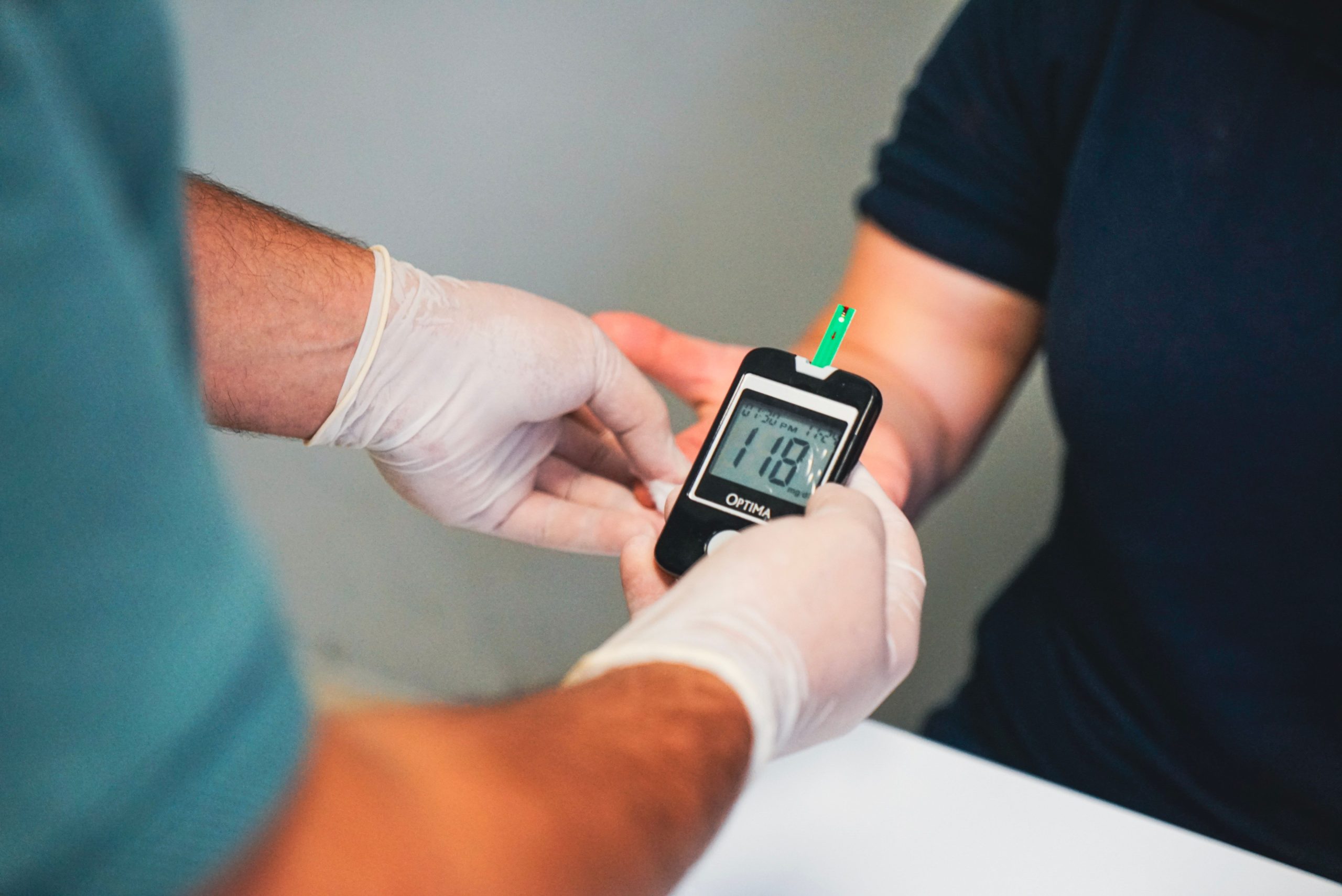
Second, AI helped us monitor patients who were not yet in the ICU. We used sensors that sent data to an AI program. The system tracked heart rates and oxygen levels. It could see small changes in a patient’s breathing before a human nurse could notice them. If a patient was starting to get worse, the AI sent an alert to our phones. This allowed us to reach the bedside before a crisis happened.
I learned that AI is not a replacement for a doctor. During the crisis, it acted like a support worker that never got tired. It handled the data so we could focus on the patients. The most important lesson was that speed matters in an emergency. AI provided that speed when we were physically exhausted.

Fuse Feeds for Live Situational Awareness
Disaster care improves when many data streams flow into one clear picture. Satellite images, 911 calls, hospital beds, and shelter reports can be fused to map risks as they change by the minute. Smart filters can cut noise and flag only what matters for action.
Shared formats and strong privacy rules keep the picture accurate and safe. Human teams can then route ambulances, open clinics, and target outreach with speed. Build shared data pipelines and standards now.
Ensure Equitable Decisions Under Accountable Oversight
Triage AI must treat people fairly, even under stress. Bias can enter through old records, skewed training data, or bad labels, and it must be checked. Regular audits, clear rules, and human review can stop unfair scores and harm.
Plain language reports can explain why a choice was made and allow appeal. Continuous monitoring can catch drift as the crisis shifts. Set up strong ethics oversight and open reporting today.
Forecast Surges Then Stage Critical Supplies
Storms and quakes often create sharp surges in medical needs. Predictive models can forecast injuries, oxygen use, dialysis needs, and vaccine demand before roads close. These tools can guide stock levels, cold chain plans, and backup routes when ports fail.
Fair rules can ensure rural and low income areas are not left out. Drills with health agencies can test plans and fix weak links ahead of time. Pilot demand forecasting with local partners now.
Bridge Language Gaps via Private Translation
In a crisis, language gaps slow triage and can cost lives. On-device translation can work without the internet and protect private talk between patients and staff. Models tuned for medical words and local dialects can reduce errors in noisy tents and halls.
Clear voice and text prompts can confirm key facts like allergies and consent. Regular input from interpreters and clinicians can keep the system safe and kind. Fund and deploy on-device medical translation today.
Design Offline-First to Sustain Edge Care
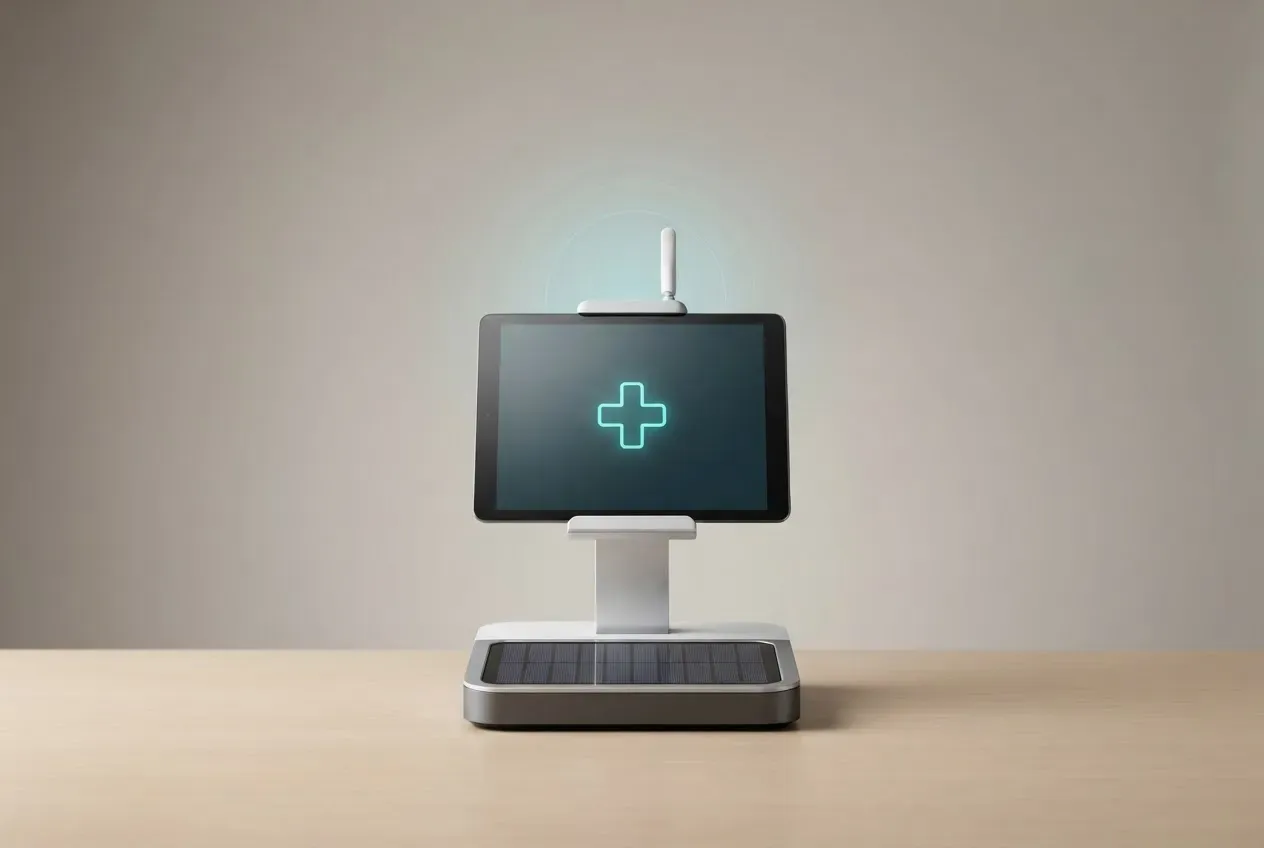
Power and networks often fail first in disasters, so care tools must stand alone. Edge models can run on rugged devices with long battery life and low heat. Mesh and delay tolerant tools can pass messages until towers return.
Smart caching can store maps, triage rules, and drug guides for use offline. Simple controls can let staff switch to safe modes when parts break. Adopt offline first and edge ready design in every new system now.