

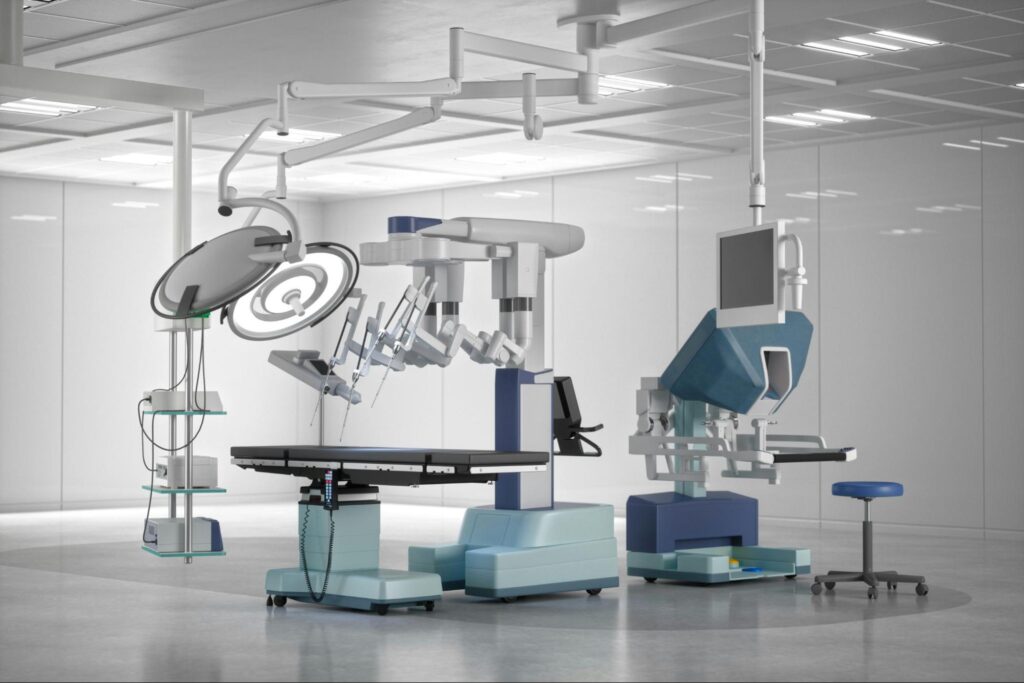
Cardiac surgery has witnessed a remarkable transformation through the integration of robotic technology, offering surgeons a less invasive approach to performing complex procedures with heightened precision and control. As noted by Shamini Parameswaran, this shift has led to notable benefits, including smaller incisions, less pain, quicker recoveries, and shorter hospital stays for many individuals.
Understanding Robotic Cardiac Surgery
Robotic cardiac surgery uses specialized robotic systems to assist surgeons in performing heart operations. These procedures are typically less invasive than traditional open-heart surgery, which often means smaller incisions and less trauma to the body. Many hospitals now offer robotic cardiac surgery as an alternative for eligible patients seeking shorter hospital stays and recovery times.
Compared to conventional methods, robotic-assisted heart surgery provides surgeons with greater dexterity and visualization of the surgical site. Some clinics have reported a decrease in postoperative pain and faster return to daily activities using this approach, making it an appealing choice for many individuals facing cardiac procedures. The integration of robotics has also contributed to a reduction in blood transfusion requirements and a more streamlined surgical process.
Robotic Techniques for Coronary Artery Bypass Grafting (CABG)
Robotic-assisted CABG offers a minimally invasive alternative to traditional bypass surgery, often requiring only small incisions between the ribs. Surgeons control robotic instruments from a console, allowing for precise movements and steady handling of delicate heart tissues. Some patients who undergo robotic CABG can expect less blood loss and a lower risk of infection compared to conventional approaches.
This technique is particularly helpful for individuals with isolated blockages in accessible arteries. Patients who meet certain health and anatomical criteria, such as those without significant comorbidities or severe arterial calcification, may be considered good candidates for robotic bypass procedures.
Robotic Aortic and Mitral Valve Procedures
Advancements in robotics have transformed aortic and mitral valve surgeries. Utilizing high-definition, three-dimensional imaging, surgeons performing robotic valve repairs or replacements achieve greater accuracy and control. Hospitals adopting these procedures have noted improved outcomes, including shorter hospital stays and fewer complications. In addition, robotic platforms enable complex repairs that might be challenging with traditional open approaches, broadening the scope of what can be treated with minimally invasive methods.
Patients with valve disease who are eligible for robotic surgery may benefit from faster healing and less scarring. In many cases, robotic approaches allow a quicker return to daily routines than the traditional sternotomy method, contributing to a smoother overall recovery.
Patient Selection and Preoperative Assessment
Determining who is an appropriate candidate for robotic cardiac surgery involves careful evaluation. Physicians review medical histories, conduct cardiac imaging, and assess overall health to ensure that robotic methods are suitable. Not everyone qualifies, as certain anatomical features or underlying conditions may increase risk or limit the effectiveness of a minimally invasive approach.
In some cardiac centers, thorough preoperative testing helps tailor treatment plans to individual needs, optimizing safety and surgical outcomes. Additional laboratory tests and consultations with specialists are often part of this process to minimize perioperative risks.
Recovery and Follow-Up Care
Patients recovering from robotic heart surgery often report less discomfort and regain mobility sooner compared to those who undergo traditional procedures. Postoperative care typically includes early ambulation, wound monitoring, and gradual return to daily activities. Many individuals appreciate shorter hospital stays and the potential for fewer complications.
Long-term follow-up appointments remain vital for monitoring heart function and ensuring optimal healing, supporting lasting improvements in quality of life. Some centers also offer rehabilitation programs designed specifically for patients who have undergone minimally invasive cardiac procedures.
Innovations and Future Developments in Robotic Cardiac Surgery
Ongoing advancements in robotics continue to shape the field of cardiac surgery. Surgeons are exploring new platforms and enhanced imaging technologies that provide even greater precision during complex procedures.
Some research teams are investigating ways to extend robotic techniques to a broader range of heart conditions, aiming to make minimally invasive surgery accessible to more patients. The future holds promise for further reducing surgical trauma and expanding treatment options in cardiac care.