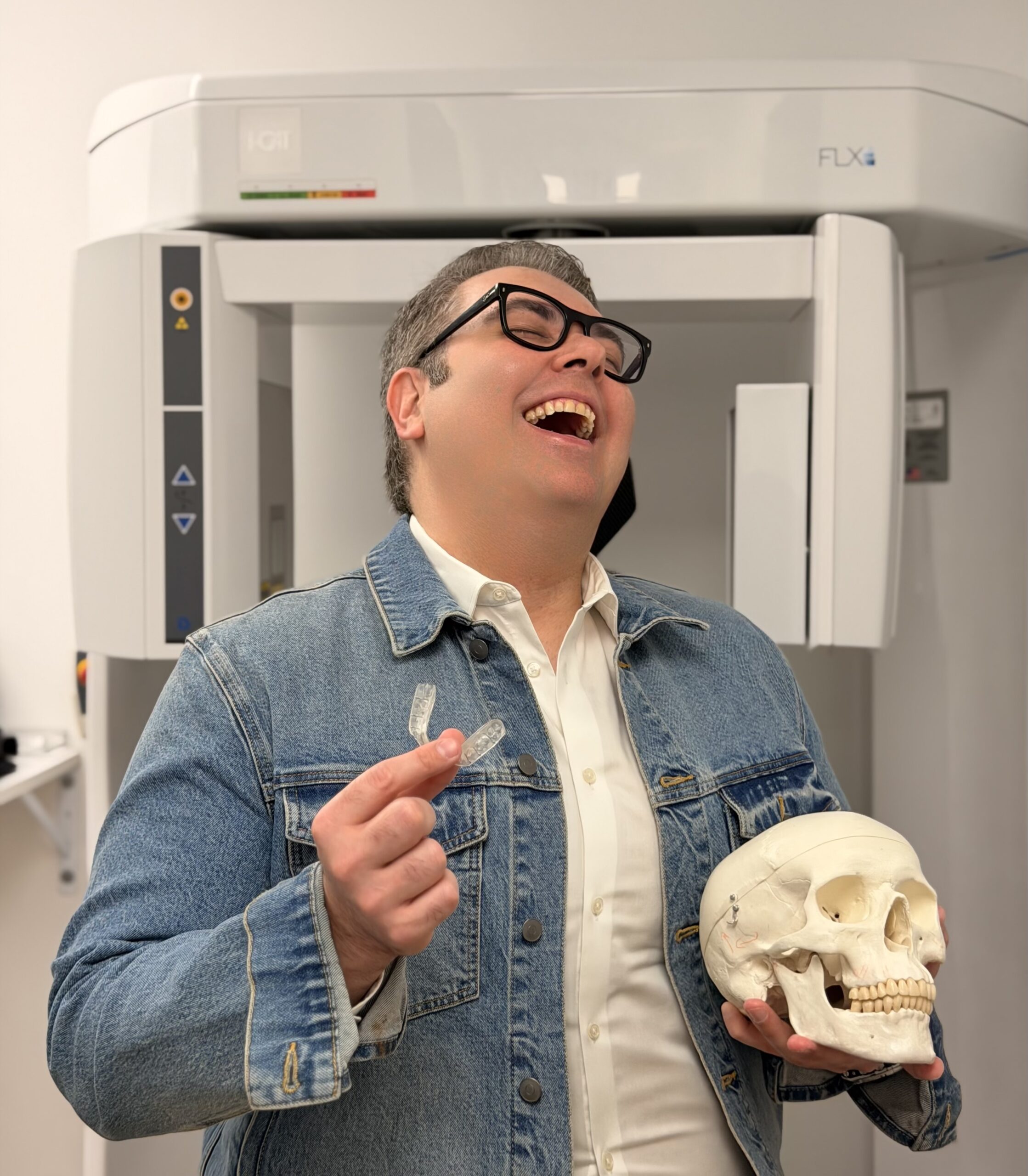


Healthcare systems are shifting toward non-pharmacological, technology-enabled interventions to help manage chronic pain. Increasingly, strategies are intersecting with digital therapeutics, behavioral science and device-enabled care. In partnership with Premier Health Group, this comprehensive guide provides expert insights into the industry, particularly the intersection of MedTech innovation and patient-centered pain solutions.
How Can You Manage Chronic Pain Without Medication?
Evidence-based, non-pharmacological strategies are rising as viable solutions. Here are four high-impact strategies that are redefining how you can manage chronic pain.
1. Using Digital Cognitive Behavioral Therapy
Cognitive behavioral therapy (CBT) remains one of the most validated non-pharmacological interventions for chronic pain. Interventions rooted in CBT principles saw small to moderate reductions in pain intensity and modest improvements in functional impairment among adults experiencing chronic musculoskeletal pain.
From a MedTech investor perspective, this validates the rapid expansion of digital CBT platforms, which reduce access barriers and enable scalable delivery of behavioral interventions. You can see these tools included in pain-management ecosystems and the adoption of app-based cognitive-behavioral therapy platforms that target pain perception.
2. Wearing Neuromodulation
When chronic pain stems from nerve dysfunction and fails to improve with conservative or interventional approaches, neuromodulation is often explored as a treatment option. These therapies, including spinal cord stimulation and peripheral nerve stimulation, function by altering how pain signals are transmitted through the nervous system. Neuropathy, sciatica and certain post-surgical pain syndromes may use these techniques most often.
Neuromodulation is becoming customizable and responsive, enhancing patient comfort and supporting better long-term outcomes for selected individuals. Specifically, spinal cord stimulation is a proven therapy that can significantly reduce pain, support greater physical function and social engagement and improve overall life quality.
From a business standpoint, this category offers compelling opportunities through device-plus-platform models, where hardware pairs with software-driven monitoring and analytics. There is an increasing connection between clinical-grade rehabilitation and scalable consumer-facing wearable technologies.
3. Using Multimodal Integrative Care
Multimodal care, which combines physical therapy, behavioral health and digital monitoring, is emerging as the most effective framework for managing chronic pain without medication.
Mind-body approaches such as mindfulness, yoga and tai chi produce modest but clinically meaningful improvements in chronic pain conditions, including low back pain, osteoarthritis and fibromyalgia.
More importantly, combining multiple non-pharmacologic therapies enhances overall treatment effectiveness and supports long-term resilience in those with chronic pain.
This is why Premier Health Group plays a strategic role in the ecosystem. They extend beyond traditional medical models by adopting a comprehensive, holistic approach to patient care. Using advanced diagnostics and integrative treatments, they provide integrative, patient-centered care that addresses the root causes of symptoms.
4. Reducing Reliance on Medication
Medications can help manage chronic pain, but modern strategies emphasize minimizing long-term dependence. Instead, you can incorporate exercise, CBT and mindfulness as treatments. These approaches address symptoms while improving function and resilience without the risks of long-term medication use.
Long-term pain management requires care continuity. You can see increased adoption of remote monitoring, digital therapeutics and hybrid care delivery models that maintain patient engagement beyond initial treatment phases.
Frequently Asked Questions (FAQs)
The following FAQs are common among those managing chronic pain.
What is the most effective treatment for chronic pain?
Optimal treatment varies based on the root cause of the pain, the patient’s overall health, and the role of the nervous system. Tailored care plans generally lead to the most favorable outcomes.
Can you manage chronic pain without surgery?
Yes. Many individuals effectively control chronic pain through nonsurgical methods, including interventional techniques, neuromodulation and structured, multidisciplinary care plans.
When should you see a pain management specialist?
If your pain persists for several months, disrupts daily functioning, or fails to improve with initial treatments, consulting a pain management specialist can help identify more advanced care options.
The Future of Pain Care
Managing chronic pain without medication is clinically viable and scalable. CBT-based digital therapeutics, wearable neuromodulation, and multimodal integrative care are supported by research showing improvements in pain intensity, function, and long-term resilience. The most promising opportunities will come from interoperable, data-driven ecosystems that translate clinical evidence into continuous, scalable care delivery.